Prostatitis Treatment in Homeopathy

Prostatitis

Prostatitis Treatment in Homeopathy – Thiruvananthapuram, Kerala & Kanyakumari District of Tamil Nadu | Shine Clinic

A dull pelvic ache, frequent night trips to the bathroom, and a lingering sense of pressure—prostatitis can quietly erode comfort, sleep, and confidence. Yet relief becomes far more likely when your care is personal, practical, and coordinated. At Shine Clinic, we deliver compassionate, structured Prostatitis Treatment in Homeopathy for men across Thiruvananthapuram and the Kanyakumari District. First, we listen; then we translate your symptoms, reports, and lifestyle into a week-by-week plan you can actually follow. Moreover, we coordinate respectfully with your urologist whenever antibiotics, imaging, or procedures are indicated—because safety and clarity always come first.

What is Prostatitis ?

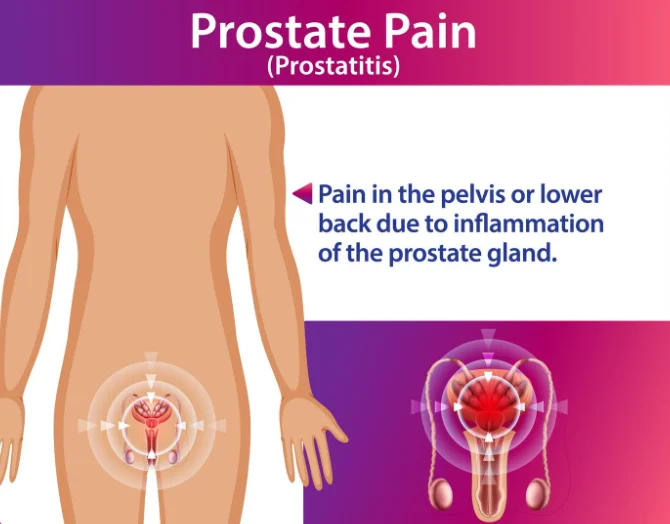
Prostatitis is inflammation or irritation of the prostate gland, a walnut-sized organ that surrounds the urethra just below the bladder. The condition may be infectious (bacterial) or non-infectious (inflammatory/neuromuscular). Because the prostate sits at a crossroads of urinary, sexual, and pelvic-floor function, even mild inflammation can produce significant pelvic pressure, burning urination, frequency, pain with sitting, or discomfort after ejaculation. Thankfully, when we pair individualized homeopathy with urology-guided evaluation, pelvic-floor care, and everyday routines, most men regain steadier comfort and predictable bladder habits.

What are common causes Prostatitis ?

Prostatitis rarely has a single cause; rather, multiple contributors often stack:

  • Bacterial infection (acute or recurrent), sometimes after a UTI.
  • Pelvic-floor muscle spasm or myofascial trigger points from prolonged sitting, cycling, or stress.
  • Post-viral or immune reactivity that leaves residual inflammation.
  • Urinary factors: incomplete bladder emptying, dehydration, or bladder irritants (excess caffeine, high sodium, spicy food).
  • Sexual factors: prolonged arousal without ejaculation, or pain after ejaculation leading to guarding and tension.
  • Bowel factors: constipation or irritable bowel patterns adding pelvic pressure.
  • Lifestyle & climate: Kerala/Kanyakumari humidity, long commutes, heat exposure, and low daytime hydration.
  • Anxiety & stress: sympathetic overdrive tightening the pelvic floor.

Homeopathy Approach to Prostatitis treatment in Thiruvananthapuram & Kanyakumari District

At Shine Clinic, we practice individualized homeopathy integrated with urology guidance and pelvic-floor-friendly routines. We do not use a one-size-fits-all protocol; instead, we match the remedy and habits to the way your body speaks.

How we build your plan

  1. Thorough history: onset, flares, urinary rhythm, bowel pattern, sexual function, stress, and climate exposure.
  2. Report review: urinalysis/culture, PSA as advised, ultrasound/KUB, uroflow/post-void residual, or imaging if your urologist requests it.
  3. Pattern mapping: burning vs aching, sitting intolerance, post-ejaculatory pain, morning vs evening pattern, and response to warmth/cold.
  4. Constitutional remedy selection: matched to your symptom signature and energy pattern.
  5. Pelvic-floor coaching: gentle stretches, breath-led relaxation, and position changes for desk work and car commutes.
  6. Hydration & plate plan: caffeine and spice timing, sodium awareness, and steady fluids appropriate to coastal humidity.
  7. Follow-ups: short, focused reviews to refine remedy timing, track wins, and escalate care if red flags appear.

We never ask you to stop prescribed antibiotics or other treatments without your urologist’s advice. Instead, we coordinate so improvement stays safe and sustainable.

What are the types of Prostatitis ?

Understanding type shapes expectations and steps:

  • Acute bacterial prostatitis: sudden fever, chills, severe urinary burning/retention (medical urgency).
  • Chronic bacterial prostatitis: recurrent or persistent infection with intermittent flares.
  • Chronic prostatitis / Chronic pelvic pain syndrome (CP/CPPS): the most common; often non-bacterial, driven by pelvic-floor tension, neuro-inflammation, stress, or urinary/bowel factors.
  • Asymptomatic inflammatory prostatitis: lab evidence of inflammation without symptoms, usually incidental.

What are the signs of Prostatitis ?

  • Pelvic/perineal pain (between scrotum and anus) or rectal pressure
  • Dysuria (burning urination) and frequency/urgency
  • Pain with sitting, especially on hard surfaces or long commutes
  • Discomfort with ejaculation or post-ejaculatory aches
  • Weak stream or a sense of incomplete emptying
  • Low back, groin, or testicular ache 

Red flags (seek urgent medical care): fever, chills, inability to pass urine, severe systemic illness, or visible blood in urine.

What are the test for Prostatitis ?

Your clinician may recommend selected tests to clarify safety, rule out infection, and guide next steps:

  • Urinalysis & urine culture (before and, if advised, after prostatic massage in select cases).
  • Prostate exam (gentle DRE) when appropriate.
  • PSA (as advised; avoid testing during acute flares or soon after ejaculation).
  • Ultrasound KUB, post-void residual, or uroflow to assess bladder outflow.
  • STI screening when clinically indicated.
  • Imaging (MRI/CT) in atypical, severe, or non-resolving cases per urologist.
  • Stool or bowel assessment if constipation or IBS contributes to pelvic pressure.

How do you diagnose Prostatitis ?

Diagnosis blends history, exam, and tests. We map pain location, urinary rhythm, sexual symptoms, bowel pattern, stress, and climate/work posture. We review reports, coordinate with your urologist, and then craft a staged plan:

  • Week 1 – Calm & safety: hydration cadence, warm sitz baths (if suitable), breath-led pelvic relaxation, and remedy start; follow physician’s antibiotics when indicated.
  • Week 2 – Flow & posture: reduce sitting compression, add micro-stretches, refine caffeine/spice timing, and check bladder emptying cues.
  • Week 3 – Consolidation: tailor exercise (gentle walking, hip openers), adjust remedy timing, and set relapse shields for commutes, meetings, and travel.
  • Week 4 – Prevention: strengthen sleep, stress, and bowel routines; schedule check-ins to prevent slide-backs.

What are the signs and symptoms of Prostatitis ?

Because prostatitis fluctuates, symptoms cluster and cycle:

  • Ache–burn blend around the perineum, inner thighs, or lower back
  • Dribbling at end of urination; split stream at times
  • Urgency after spicy meals or coffee; night urination on humid nights
  • Sitting-triggered flares, eased by standing or a soft cushion
  • Tenderness after ejaculation; occasionally reduced satisfaction due to guarding
  • Fatigue, irritability, and sleep loss during bad weeks

Benefits of Alternative medicine for Prostatitis

Used alongside medical care, homeopathy plus supportive routines can help you feel better sooner—and stay better longer:

  • Personalization: remedies reflect your exact pattern—heat/cold sensitivity, restlessness vs heaviness, sitting intolerance, and timing of pain.
  • Pelvic-floor reset: breath-work and gentle mobility lower muscle guarding that mimics infection.
  • Trigger awareness: caffeine, chilli, dehydration, and hard-seat pressure get simple, realistic limits.
  • Consistency coaching: hydration cadence, bathroom timing, and bowel regularity become automatic.
  • Confidence & adherence: clear action cards for commutes, meetings, intimacy, and travel improve follow-through on urology advice.

We do not promise instant cures. However, we aim to reduce flares, smooth pain waves, and restore predictable days through realistic, sustainable steps.

What are Prostatitis risk factors and complications?

Risk factors

  • Long sitting (driving, desk work), cycling without adequate breaks
  • Dehydration, irregular bathroom breaks, high caffeine/spice intake
  • Recurrent UTIs, STIs, or prior prostate/urinary procedures
  • Constipation, IBS, or heavy weight-lifting with poor breath mechanics
  • Stress and anxiety, poor sleep quality, and sedentary days
  • Hot, humid climate with high sweat loss and low fluid replacement

Potential complications

  • Acute urinary retention or severe infection (urgent)
  • Chronic pelvic pain impacting intimacy, mood, and work
  • Overuse of antibiotics when non-bacterial factors drive pain
  • Sleep disruption, low energy, and relationship strain
  • Reduced activity leading to weight gain and blood sugar drift

What are Lifestyle and home remedies for Prostatitis

Small, repeatable actions change your week:

Hydration & bladder rhythm

  • Steady sips every 30–45 minutes; aim for pale-straw urine.
  • Bathroom timing: don’t hold; fully relax to empty; avoid “just-in-case” frequent voiding patterns that shrink capacity.
  • Caffeine & spice sense: shift coffee earlier, reduce extra-strong tea/energy drinks, and moderate chilli on flare days.

Pelvic-floor & posture

  • Breath-led relaxation: 2–4 minutes of slow nasal inhale and longer exhale, allowing the pelvic floor to “drop” on inhale.
  • Micro-stretches every 45–60 minutes: hip openers, hamstring release, gentle lumbar rotations.
  • Seat strategy: soft cushion or cut-out pillow for long drives; vary positions at the desk.

Heat & comfort

  • Warm sitz baths (if suitable) 10–15 minutes; never scalding.
  • Warm compress to lower abdomen/pelvis during flares.
  • Supportive underwear, breathable fabrics; avoid tight belts during commutes.

Bowel & plate

  • Regular meals, fiber-rich plates, and adequate water to prevent constipation.
  • Sodium awareness to reduce fluid retention and bladder irritability.
  • Alcohol moderation, especially on humid evenings.

Movement & sleep

  • Gentle walking most days; avoid sudden heavy lifting during flares.
  • Sleep anchors: fixed wake time, screen-off wind-down, and a cool, dark bedroom.

Is Homeopathy treatment good for Prostatitis

Homeopathy for Prostatitis can be supportive and patient-centered, particularly for CP/CPPS where neuromuscular tension and lifestyle triggers dominate. Many men appreciate the individualization, the gentle dosing, and the habit coaching that turn advice into daily routines. Nevertheless, when bacterial infection or urinary retention is suspected, urology-guided antibiotics and procedures take priority. At Shine Clinic, we collaborate—not compete—with your medical team so your plan remains safe, clear, and effective.

Best Homeopathy clinic for Prostatitis in Thiruvananthapuram & Kanyakumari District

Men choose Shine Clinic for clear communication, transparent fees, and flexible access—in-clinic, phone, and online. Additionally, our guidance respects coastal humidity, commute patterns, and work rhythms unique to Thiruvananthapuram and the Kanyakumari District. Because prevention hinges on consistency, our follow-ups stay short, kind, and focused on achievable do-this-today wins.

Why Shine Clinic & Dr Merlin Sheema for Homeopathy Prostatitis Treatment in Thiruvananthapuram, Kerala & Kanyakumari District of Tamil Nadu

With Dr Merlin Sheema and the Shine Clinic team, you receive:

  • Personalized plans: remedies and routines crafted from your story, not a template.
  • Collaborative care: respectful coordination with urologists and primary-care physicians.
  • Safety first: red-flag education (fever, retention, severe pain) and quick referral pathways.
  • Pelvic-floor know-how: breath scripts, sitting strategies, and mobility drills you can do in 2–5 minutes.
  • Climate-aware coaching: hydration timing, commute cushions, and evening routines for humid nights.
  • Privacy & dignity: discreet conversations about intimacy and post-ejaculatory discomfort.
  • Flexible follow-ups: brief check-ins that keep your progress moving.

Your next step

Prostatitis can feel relentless; nevertheless, progress is practical when you work a plan that respects your body and your context. With Homeopathy for Prostatitis, pelvic-floor-friendly habits, and respectful collaboration with your urologist, you can move from unpredictable flares to calmer, more reliable days. If you live in Thiruvananthapuram or the Kanyakumari District, Shine Clinic will help you turn scattered advice into a clear, week-by-week roadmap—without harsh rules, without confusion, and with steady support at every step.

Call or message Shine Clinic to book an in-clinic visit or a quick phone/online consultation. Together, we’ll align your hydration, refine your seat and posture strategy, choose supportive remedies, and rebuild confidence—one practical win at a time.

FAQ – Homeopathic clinic for Prostatitis Treatment

There is no guaranteed cure for every case. However, individualized homeopathy plus pelvic-floor relaxation, hydration cadence, and urology-guided care often reduces pain, improves urinary rhythm, and cuts flare frequency.

If your clinician suspects or confirms bacterial prostatitis, yes—follow the prescription. We complement medical care; we don’t replace it.

Many men notice softer pain waves and fewer bathroom trips within 2–4 weeks, especially when sitting strategy, breath-work, and caffeine timing are consistent.

Your doctor decides based on age, history, and exam. Avoid PSA during acute flares or shortly after ejaculation to prevent false rises.

Long, pressure-heavy rides can aggravate symptoms. Use a split saddle or cushion, take breaks, and rebuild gradually.

Common culprits: excess coffee, energy drinks, very spicy meals, and high-sodium snacks. We customize your plate plan rather than enforce rigid rules.

It’s a personal decision. Some men feel worse right after; others feel better the next day. We discuss timing, comfort measures, and after-care.

Often, yes. Targeted breath-work and short mobility breaks reduce guarding and help symptoms.

Absolutely. We provide phone and video consults across Thiruvananthapuram and Kanyakumari District with discreet guidance.

With fever/chills, inability to urinate, severe pain, or visible blood, seek urgent care immediately.