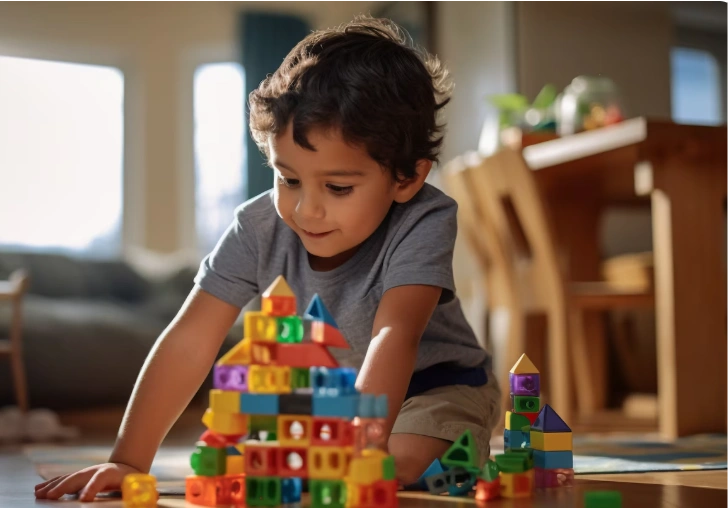
What is Learning Disabilities in Children?
Learning disabilities (LD) are neurodevelopmental differences that affect the brain’s ability to receive, process, store, and respond to information. They are not a reflection of intelligence or motivation. Instead, they shape how a child reads, spells, writes, calculates, remembers instructions, or organizes tasks. Therefore, the right strategy—not more pressure—unlocks progress.
Common profiles include:
- Dyslexia: difficulty with word recognition, decoding, and spelling.
- Dysgraphia: challenges with handwriting, spelling to dictation, and written expression.
- Dyscalculia: persistent difficulty with number sense, arithmetic facts, and multi-step problems.
- Auditory Processing Difference (APD): trouble distinguishing or sequencing sounds despite normal hearing.
- Nonverbal Learning Difference (NVLD): challenges with visual-spatial reasoning and social inference, often with strong verbal skills.
What are common causes Learning Disabilities in Children?
LD does not arise from parenting style or poor teaching. Research points to neurobiological and genetic influences; in many families, similar patterns appear across generations. However, several contributors can magnify day-to-day difficulty:
- Sleep debt and irregular routines reduce attention and memory consolidation.
- Nutritional rhythm gaps (low protein breakfasts, high sugar snacks) cause energy swings.
- Coexisting differences such as ADHD, language disorder, or anxiety add load.
- Sensory stressors (noise, glare, crowded classrooms) drain capacity.
- Long commutes and exam pressure in Kerala settings increase fatigue.
When we lighten these loads, children access their strengths more reliably.
Homeopathy Approach to Learning Disabilities in Children treatment in Thiruvananthapuram & Kanyakumari District
At Shine Clinic, we take an integrated approach. We do not replace special education or therapy; we coordinate with them. Our homeopathic care aims to support sleep quality, focus stability, performance anxiety, and frustration tolerance, while our coaching installs school-smart routines that match coastal Kerala life.
The Shine Five-Pillar Framework
- Personalized Homeopathy
We select remedies based on temperament, sleep pattern, reaction to stress, sweat/thirst, thermal preference, headaches, or GI rhythm. Follow-ups refine choices as the child’s pattern evolves. - Learning Scaffolds (School & Home)
We structure short practice sprints, multi-sensory reading/spelling routines, number games, and visual supports. We partner with teachers to align IEP accommodations. - Sleep & Screen Hygiene
Fixed wake time, device curfew 60–90 minutes before bed, dim lights, and a three-step bedtime ritual to boost next-day learning. - Plate Rhythm & Hydration
Protein-anchored meals, balanced snacks (idli + sambar, curd + fruit, banana + peanuts), and steady water intake to sustain attention. - Confidence & Calm
Micro-praise, first–then language, breath pacing (inhale 4, exhale 6–8), and a progress board that celebrates effort, not just scores.
What are the types of Learning Disabilities in Children?
- Dyslexia (Reading): difficulty decoding and mapping sounds to letters; slow, effortful reading.
- Dysgraphia (Writing): poor letter formation, spacing, spelling to dictation, and written organization.
- Dyscalculia (Maths): weak number sense, difficulty with place value, facts, time, money, and multi-step problems.
- APD (Listening): problems with sound discrimination, following oral instructions, or understanding in noise.
- NVLD / Visual-Spatial: strong verbal skills but difficulty with diagrams, geometry, maps, and social nuance.
- Mixed Profiles: most children show blended strengths and challenges.
What are the signs of Learning Disabilities in Children?
- Late letter-sound mapping; guessing words from pictures
- Avoidance of reading/homework; “stomach aches” before tests
- Reversals (b/d/p/q) past the expected age range
- Slow copying, cramped grip, messy spacing
- Difficulty remembering sequences (days, months, steps)
- Counting on fingers beyond peers; confusion with time/money
- Following multi-step oral instructions only partially
- Big emotions around school; low academic confidence
Red flags (seek timely assessment): persistent struggles across grades, regression, sudden severe school refusal, or teacher concerns spanning subjects.
What are the test for Learning Disabilities in Children?
Testing clarifies how a child learns best:
- Psycho-educational assessment (standardized IQ-achievement, phonological processing, working memory, processing speed)
- Speech-language evaluation for phonology, receptive/expressive language, and pragmatic skills
- Occupational therapy (OT) assessment for fine-motor, handwriting, and sensory processing
- Vision and hearing screenings (and referral if needed)
- Targeted labs (iron, vitamin D/B12, thyroid) when clinically indicated
- APD evaluation in select cases through audiology
How do you diagnose Learning Disabilities in Children?
Diagnosis is clinical and educational, not a single lab report. We combine:
- History (milestones, school notes, homework behaviour, family patterns)
- Standardized assessments and teacher feedback
- Observation of attention, perseverance, and coping strategies
- Response to instruction with structured, multi-sensory teaching
At Shine, we translate findings into a 12-week action plan.
The 12-Week Shine Roadmap
- Weeks 1–2 – Set the Frame: Start personalized homeopathy; fix wake time; introduce 10–12-minute practice sprints; begin device curfew.
- Weeks 3–4 – Reading & Spelling: Daily phoneme–grapheme mapping, tapping sounds, dictation ladders (word → phrase → short sentence).
- Weeks 5–6 – Writing Mechanics: OT-guided pencil grip, letter families, large-line notebooks; short copy-build tasks.
- Weeks 7–8 – Number Sense: Number lines, ten-frames, fact fluency games, money/time practice woven into daily life.
- Weeks 9–10 – Comprehension & Expression: Preview-read-retell, graphic organizers, oral rehearsal before writing.
- Weeks 11–12 – Sustain & Review: Lock helpful routines, adjust remedy, set exam plan, align school accommodations.
What are the signs and symptoms of Learning Disabilities in Children?
Symptoms appear during tasks:
- Reading: slow, inaccurate decoding; skipping lines; tiring quickly
- Writing: uneven size/shape, letter reversals, difficulty with punctuation; frustration during longer compositions
- Maths: place-value confusion, difficulty carrying/borrowing, weak fact recall, word-problem avoidance
- Listening/Following: misses parts of instructions, needs repetition, struggles in noisy rooms
- Executive Skills: forgets materials, loses steps, “time blindness,” messy bag/desk
- Emotional Overlay: test anxiety, perfectionism or giving up, negative self-talk
Benefits of Alternative medicine for Learning Disabilities in Children
Homeopathy, used alongside structured teaching and therapy, aims to:
- Support sleep quality, settling, and morning regulation
- Reduce performance anxiety and frustration spikes during practice
- Encourage steadier focus stamina for short sprints
- Promote GI and headache comfort, when these amplify school fatigue
- Pair with Kerala-smart routines so families can stay consistent
We never claim a cure for LD. We promise kind structure, realistic goals, and consistent coaching that help children show what they truly know.
What are Learning Disabilities in Children risk factors and complications?
Risk factors
- Family history of LD or ADHD
- Early language delay or phonological difficulties
- Prematurity/medical complexities affecting early sensory development
- Sleep debt and late-night screens
- High stress learning environments without scaffolds
Potential complications (if unsupported)
- Academic under-achievement despite ability
- Low self-esteem and school avoidance
- Anxiety and mood symptoms layered on learning differences
- Family conflict over homework
- Limited subject choices later due to weak foundations
Early identification and a scaffolded plan prevent many of these outcomes.
What are Lifestyle and home remedies for Learning Disabilities in Children
Small, repeatable steps change school days.
Sleep & Screen Hygiene
- Fixed wake time all week
- Device curfew 60–90 minutes before bed; chargers out of bedroom
- Wind-down ritual: warm wash → read together (earlier in the evening for dyslexia) → lights out
- Cool, dark, quiet room; limit late sugar or caffeine
Plate Rhythm (Kerala-smart)
- Protein-anchored breakfast before school (eggs, dal, curd + fruit)
- Balanced snacks packed daily; steady hydration with a personal bottle
- Sugar sense: sweets as occasion foods, paired with protein to blunt spikes
Practice that Works
- Daily 10–12-minute sprints (never cram); one goal per sprint
- Multi-sensory reading: say the sound, trace the letter, build with tiles, then read in a word
- Dictation ladders: sound-out → word → short phrase → one sentence
- Number play: dice, cards, ten-frame games, shopkeeper role-play for money/time
- Graphic organizers: mind-maps before writing; speak ideas aloud first
Motivation & Calm
- First–Then language (“First 10 minutes reading, then cricket catch”)
- Micro-praise the effort and strategy, not only marks
- Breath pacing during wobbly moments (inhale 4, exhale 6–8)
- Progress board on the wall to track wins
Is Homeopathy treatment good for Learning Disabilities in Children
Homeopathy for learning difficulties can be a supportive adjunct when combined with evidence-based teaching, SLP/OT, and school accommodations. Families often choose it to ease sleep, anxiety, headache/GI discomfort, or evening restlessness that block practice. At Shine Clinic, we align remedies with structured routines so gains stick.
Best Homeopathy clinic for Learning Disabilities in Children in Thiruvananthapuram & Kanyakumari District
Parents choose Shine Clinic for our clear plans, Kerala-wise schedules, and flexible access—in-clinic, phone, WhatsApp, and online. We translate assessments into do-this-today steps. We also respect exam seasons, monsoon disruptions, and festival calendars, so your plan remains realistic and repeatable.
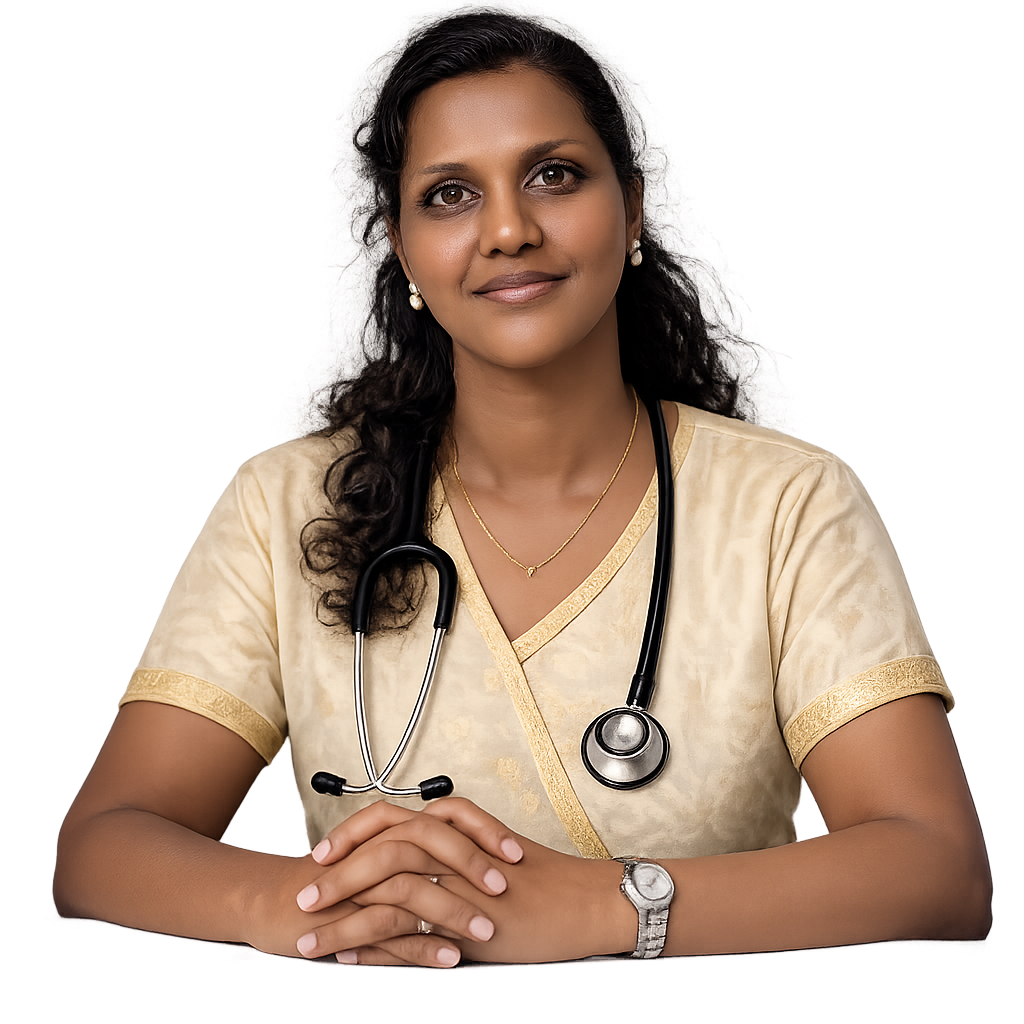
Why Shine Clinic & Dr Merlin Sheema for Homeopathy Learning Disabilities in Children Treatment in Thiruvananthapuram, Kerala & Kanyakumari District of Tamil Nadu
With Dr Merlin Sheema and the Shine Clinic team, your child receives:
- Personalized homeopathic support tuned to sleep, calm, and regulation
- Integration with special educators, SLPs, OTs, and schools for unified goals
- Kerala-smart routines that respect real-world schedules and travel
- Parent toolkits: first–then cards, phonics tiles list, dictation ladder templates, number-sense games
- Strength-based coaching that builds confidence through interests—art, music, sport, coding
- Short, kind follow-ups that keep momentum without overwhelming families
Your next step
Children rise when adults align. With Learning Disabilities in Children Treatment in Homeopathy, multi-sensory teaching, and Kerala-smart routines, families across Thiruvananthapuram and Kanyakumari District are seeing steadier progress and calmer evenings. If you want a plan that is gentle, organized, and doable, Shine Clinic is ready—in-clinic, phone, WhatsApp, or online.
Call or message Shine Clinic to book your consultation. We will listen closely, personalize remedies, coordinate with school and therapists, and walk beside your child—one clear, confident step at a time.