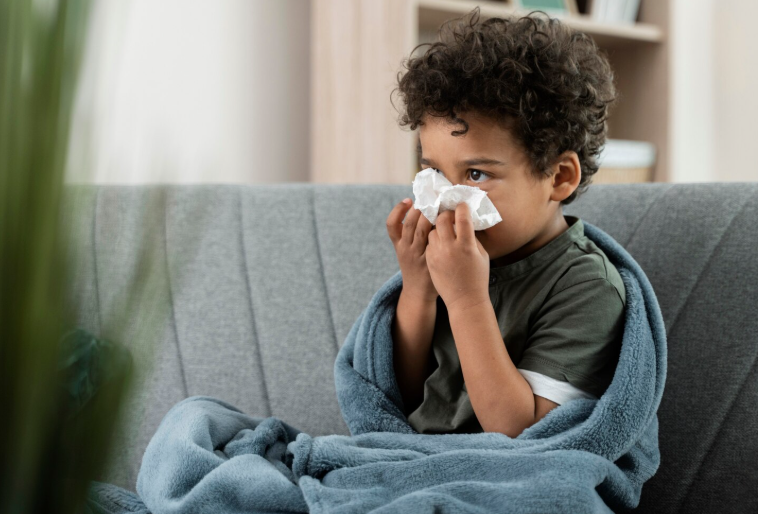
What is Frequent Cold & Cough?
“Frequent” means recurrent episodes of cold-like symptoms—sneezing, runny or blocked nose, throat irritation, and cough—that appear several times a year, often clustering during monsoon months, school reopenings, or AC-heavy seasons. Sometimes episodes begin as viral colds; at other times, allergic rhinitis, sinus drip, or reflux sets off the cough reflex. Although each episode may seem minor, repetition leads to sleep loss, fatigue, voice strain, missed school/work, and worry. Therefore, the solution must do more than soothe symptoms; it must reduce triggers, strengthen routines, and personalize care.
What are common causes Frequent Cold & Cough?
Multiple drivers often stack up:
- Viral infections cycling through schools, offices, and public transport.
- Allergic rhinitis from house dust mites, pollen, molds, pet dander, or old-shelf dust.
- Post-nasal drip that tickles the throat and triggers cough.
- Cough-variant asthma (in some) with night or early-morning bouts.
- Reflux (GERD/LPR) from late, oily dinners—hoarseness and morning cough are common clues.
- AC air that is cold and dry, especially when it blows directly on the face.
- Irritants—incense, perfumes, room sprays, paint fumes, cleaning chemicals.
- Stress and sleep debt, which lower resilience.
- Local context: coastal humidity, monsoon molds, festival smoke, and dusty renovations around Thiruvananthapuram and Kanyakumari.
Homeopathy Approach to Frequent Cold & Cough treatment in Thiruvananthapuram & Kanyakumari District
At Shine Clinic, we never hand out a one-size-fits-all syrup. Instead, we individualize based on episode timing (night/morning), triggers (dust, AC, laughter, foods), nasal pattern (watery vs. blocked), cough character (dry, barking, spasmodic, or loose), thirst, heat/cold preference, voice use, sleep, and stress tone. Then we combine homeopathic remedies with real-world, Kerala-wise routines.
How we build your plan
- Whole-person history: frequency maps, seasonality, AC settings, dust exposure, school/office routines, meal timing, tea/coffee habits, and prior reports.
- Report review (with your physician as needed): chest and ENT exam; spirometry/peak flow if cough-variant asthma is suspected; allergy profile when appropriate; reflux assessment if timing suggests LPR.
- Constitutional remedy selection: matched to your signature—sneezing bursts with watery discharge, tickling cough at night, laughter-triggered spasms, hoarseness on waking, or cough after oily meals.
- Breathe–Nose–Voice–Plate–Pulse–Pillow routine:
- Breathe: nasal breathing, short warm steam (never scalding), gentle cough-control drills.
- Nose: saline rinse (if taught), room humidity sense, dust-proofing.
- Voice: volume hygiene, earbuds/mic, mini warm-ups for talk-heavy jobs.
- Plate: reflux-smart timing, oil/spice moderation, hydration cadence.
- Pulse: post-meal walks and light conditioning for immune rhythm.
- Pillow: sleep anchors, fixed wake times, AC airflow away from face.
- Kerala-smart coaching: avial/stew, less-oily thoran, measured spice; festival smoke plan; travel kit; school/office hygiene tips.
- Follow-ups: brief, focused reviews to fine-tune remedies and routines; we integrate any physician-prescribed therapies for safe, coordinated care.
We integrate, not replace, medical care. If red flags appear—or your doctor recommends tests or inhalers—we coordinate for safety and clarity.
What are the types of Frequent Cold & Cough?
- Allergic (rhinitis-predominant): sneezing clusters, clear watery discharge, itchy eyes/nose, cough from drip.
- Infectious (recurrent viral): repeated colds from school/office exposure; dry then productive cough.
- Cough-variant asthma: dry, tight cough with night/morning peaks; laughter/exercise triggers.
- Reflux-linked: cough after late, oily meals; hoarseness on waking; sore throat without fever.
- Irritant-induced: perfume, incense, paint, or cleaning fumes trigger spasms.
- Mixed pattern: allergy + reflux + AC exposure (very common locally).
What are the signs of Frequent Cold & Cough?
- Repeated episodes (several per year) of nasal symptoms and cough
- Sore throat, voice fatigue, or hoarseness, especially mornings
- Night or early-morning cough that disturbs sleep
- Sneezing bursts, itchy eyes/nose, and post-nasal drip
- Cough after meals or on lying down (reflux pattern)
- Sensitivity to dust, perfumes, or cold AC air
Red flags (seek prompt medical care): high fever, chest pain, breathlessness at rest, coughing blood, persistent wheeze, oxygen drop, weight loss, recurring ear pain or severe sinus headaches, or symptoms in very young or elderly with comorbidities.
What are the test for Frequent Cold & Cough?
Your clinician may recommend:
- ENT and chest examination with oxygen saturation check.
- Allergy evaluation (skin tests or blood markers) when allergy predominates.
- Spirometry/peak flow if cough-variant asthma is suspected.
- Reflux assessment when timing/hoarseness suggests LPR/GERD.
- Sinus imaging only for persistent or atypical cases as advised.
- Blood tests (CBC/IgE, etc.) selectively, not routinely.
How do you diagnose Frequent Cold & Cough?
Diagnosis blends timeline, trigger mapping, examination, and targeted tests. Once your physician confirms the picture, we turn that clarity into a structured 8–10-week roadmap:
- Weeks 1–2 – Calm and protect: start individualized homeopathy; begin nasal breathing; use short warm steam if soothing; practise sip-swallow to stop throat clearing; set hydration cadence; take 8–12-minute post-meal walks.
- Weeks 3–4 – Reduce triggers: dust-proof the bedroom, set AC airflow away from face, moderate spice/oil, shift dinners earlier, and use voice hygiene on calls.
- Weeks 5–6 – Build resilience: brisk walking most days; light strength twice weekly; sleep anchors; rehearse festival/travel playbook.
- Weeks 7–8 – Sustain and personalize: refine remedies for seasonal patterns; maintain meal timing; add school/office hygiene (hand-washing, water bottle, mask during dusty work).
- Weeks 9–10 – Review & prevent relapses: re-map triggers, check routine adherence, coordinate any re-testing your clinician advises.
What are the signs and symptoms of Frequent Cold & Cough?
Everyday patterns tell the story—and point to fixes:
- Morning hoarseness and cough → think reflux; move dinner earlier, elevate head-end.
- Sneezing and watery nose in AC rooms → allergic rhinitis; adjust humidity and dust-proof.
- Cough on laughter/talking → laryngeal irritation; apply voice hygiene and breath drills.
- Night bouts with chest tightness → cough-variant asthma; consult your physician and follow our breath-training plan.
- Spasms near incense/fumes → irritant-linked; keep air neutral and ventilated.
Benefits of Alternative medicine for Frequent Cold & Cough
Used alongside medical care, homeopathy supports steadier airways by addressing pattern-specific features while our habits reduce trigger load:
- Personalization: remedies matched to sneezing bursts, watery vs. blocked nose, tickle-cough, night bouts, or reflux-linked hoarseness.
- Low side-effect profile: easy to pair with doctor-guided sprays/inhalers/anti-reflux steps when needed.
- Habit architecture: our Breathe–Nose–Voice–Plate–Pulse–Pillow system turns advice into tiny, repeatable wins.
- Kerala-smart menus: keep flavour, lighten oil, tame timing; festival/travel playbooks prevent flares.
- Consistency coaching: short check-ins protect momentum during monsoon, exams, weddings, and shift work.
What are Frequent Cold & Cough risk factors and complications?
Risk factors
- Allergies, asthma tendency, or reflux
- Dust/mold exposure, AC blasts, sudden temperature shifts
- Smoking/second-hand smoke
- Late, oily dinners, deep-fried snacks, and irregular sleep
- Stress, screen-heavy nights, and low daylight movement
- School/office crowding during outbreaks
Potential complications (if unmanaged)
- Sleep disturbance and fatigue
- Voice strain and recurrent throat pain
- Recurrent sinusitis/ear issues in predisposed individuals
- Reduced focus and productivity at school/work
- Progression to persistent cough or exercise avoidance due to symptoms
What are Lifestyle and home remedies for Frequent Cold & Cough
Small, consistent actions reshape the arc—especially in our coastal climate.
Breathe & Nose (airway and nasal care)
- Nasal breathing to warm and filter air.
- Short warm steam (never hot) if soothing; stop if dizzy.
- Saline nasal rinse (if trained/advised) to reduce drip and allergens.
- Cough-control drill: inhale through the nose for 4, exhale gently for 6–8, repeat 4–6 cycles when spasms build.
Voice (protect and project)
- Volume hygiene: use earbuds/mic; avoid shouting over traffic.
- Mini warm-ups: lip trills and hums before long calls.
- Sips of warm water during speaking tasks.
Plate (reflux-smart, Kerala-wise)
- Early, lighter dinners; leave 2–3 hours before lying down.
- Kerala-smart swaps: stew, avial, less-oily thoran, fish curry with measured oil; pair red/semi-polished rice with vegetables and protein.
- Trim deep-fried and ultra-spicy foods during healing.
- Caffeine sense: tea/coffee after food; avoid very late cups.
- Hydration cadence: steady sips through the day.
Pulse (movement)
- Post-meal walks (8–12 minutes) to ease reflux and clear the throat.
- Brisk walking most days; add light strength twice weekly for immune rhythm.
Pillow (sleep that repairs)
- Fixed wake time; dim screens 60–90 minutes before bed.
- Head-end elevation if refluxy.
- AC/humidity sense: aim airflow away from face; avoid very cold, dry blasts.
Surroundings (reduce triggers)
- Dust-proof bedroom: hot-wash pillow covers; vacuum/clean regularly.
- Fragrance caution: perfumes and room sprays can provoke spasms.
- Mask strategy for dusty chores or renovations.
Is Homeopathy treatment good for Frequent Cold & Cough
Homeopathy for Recurrent Cold & Cough can be supportive and personalized, especially for sneezing clusters, tickle-cough, night bouts, and reflux-linked hoarseness—alongside appropriate medical care. We never promise instant cures; however, with trigger control, airway hygiene, meal timing, movement, sleep anchors, and consistent follow-ups, most families report fewer episodes, softer symptoms, and steadier weeks.
Best Homeopathy clinic for Frequent Cold & Cough in Thiruvananthapuram & Kanyakumari District
People choose Shine Clinic for clear explanations, practical routines, and flexible access—in-clinic, phone, WhatsApp, and online. We honour Kerala’s cuisine, monsoon rhythms, school calendars, and commute patterns across Thiruvananthapuram and the Kanyakumari District. Because progress relies on consistency, our follow-ups stay short, kind, and focused on do-this-today wins you can actually keep.
Why Shine Clinic & Dr Merlin Sheema for Homeopathy Frequent Cold & Cough Treatment in Thiruvananthapuram, Kerala & Kanyakumari District of Tamil Nadu
With Dr Merlin Sheema and the Shine Clinic team, you receive:
- Personalized care shaped by your triggers, routines, and goals—not a template.
- Coordination with your physician for diagnostics, inhalers/sprays, and necessary medications.
- Kerala-wise strategies: taste-preserving swaps, festival plans, school and office hygiene kits, and travel playbooks.
- Practical tools: breath-drill cards, nose-care checklist, reflux-smart plate template, hydration schedule, and sleep anchors.
- Stress & sleep coaching built for shift work, exams, caregiving, and travel.
- Flexible follow-ups that protect momentum without overwhelming your day.
Your next step
You deserve quiet nights and lively mornings. With Homeopathy for Frequent Cold & Cough, nasal and breath hygiene, reflux-smart plates, post-meal walks, dust-proofing, and sleep anchors, you can expect fewer episodes, softer symptoms, and steadier weeks—under your doctor’s guidance. If you live in Thiruvananthapuram or the Kanyakumari District, Shine Clinic will help you turn scattered tips into a simple, week-by-week plan—without harsh rules, without overwhelm, and with warm, steady support.
Call or message Shine Clinic to book an in-clinic visit or a quick phone/WhatsApp/online consultation. Together, we’ll tailor your remedies, tune your routines, and protect progress—one practical win at a time.