Low Sperm Count Treatment in Homeopathy

Low Sperm Count

Low Sperm Count Treatment in Homeopathy – Thiruvananthapuram, Kerala & Kanyakumari District of Tamil Nadu | Shine Clinic

Struggling to conceive can feel lonely, confusing, and urgent all at once. Yet progress becomes realistic when you have a clear plan, kind guidance, and coordinated care. At Shine Clinic, we provide practical, compassionate Low Sperm Count Treatment in Homeopathy for couples across Thiruvananthapuram and the Kanyakumari District. We listen first, map the whole picture—work stress, sleep, nutrition, heat exposure, and lab results—and then design a week-by-week roadmap you can actually follow. Moreover, we collaborate with your andrologist or fertility specialist whenever tests, procedures, or medications are appropriate, because safety and clarity come first.

What is Low Sperm Count ?

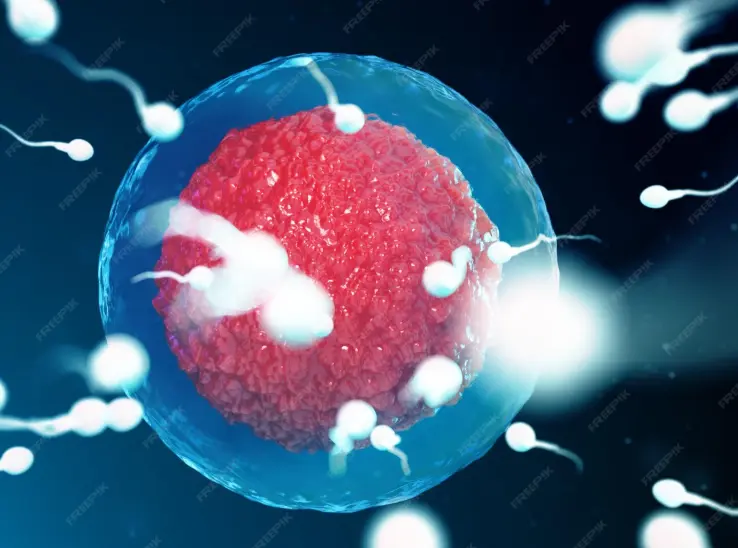
Low sperm count—medically called oligospermia—means the number of sperm in semen falls below the reference range reported by your laboratory (commonly <15 million/ml, though labs vary). However, conception also depends on motility (movement), morphology (shape), DNA integrity, and timing with ovulation. Therefore, a mildly low count may still be compatible with pregnancy when motility and morphology are decent and cycles are well-tracked. Because male fertility reflects hormones, testicular function, lifestyle, and environment, even modest changes in sleep, heat exposure, nutrition, and stress can move the needle. With a personalized homeopathic plan plus evidence-guided routines, many couples regain momentum without losing precious time.

What are common causes Low Sperm Count ?

Low counts rarely arise from one factor; usually several contributors stack:

  • Heat and humidity exposure: hot workplaces, saunas, tight synthetic underwear, or long motorcycle/vehicle rides.
  • Varicocele: dilated scrotal veins that raise local temperature and oxidative stress.
  • Hormonal imbalances: low testosterone, high prolactin, thyroid shifts.
  • Lifestyle patterns: smoking, alcohol excess, late-night schedules, and sedentary days.
  • Metabolic health: obesity, insulin resistance, micronutrient deficits (e.g., Vitamin D, B12, folate, zinc).
  • Infections or inflammation: past mumps orchitis, prostatitis/epididymitis.
  • Medications and toxins: anabolic steroids, certain chemotherapies, environmental pesticides/solvents.
  • Frequent fever or recent viral illness.
  • Ejaculation timing: very infrequent or overly frequent ejaculation can skew results close to testing.

Homeopathy Approach to Low Sperm Count treatment in Thiruvananthapuram & Kanyakumari District

At Shine Clinic, we practice individualized homeopathy integrated with andrology-guided evaluation and climate-wise routines. We never apply a one-size-fits-all formula; instead, we match remedies and habits to your specific pattern, workday, and environment.

How we build your plan

  1. Detailed history: age, duration of trying to conceive, prior pregnancies, semen analysis trends, fevers, childhood illnesses, medications, libido/erection profile, and intimacy rhythm.
  2. Lifestyle mapping: heat exposure (kitchen, factory floor, two-wheeler commutes), seating hours, underwear fabrics, sleep schedule, and stress.
  3. Lab review (with your doctor): semen analysis (count, motility, morphology, vitality), hormones (testosterone, FSH/LH, prolactin, thyroid), Vitamin D/B12, HbA1c, and when indicated, scrotal ultrasound for varicocele.
  4. Constitutional remedy selection: matched to your physical triggers (heat sensitivity, sweat, fatigue), emotional tone (performance worry, irritability, low drive), and symptom rhythm.
  5. “Fertility Five” routine: sleep anchors, heat management, plate pattern, movement strategy, and intimacy timing aligned to the partner’s cycle.
  6. Follow-ups: short reviews to refine remedy timing, monitor semen parameters, and maintain momentum.

We do not ask you to stop doctor-prescribed therapy. Instead, we coordinate care so improvements are safe, measurable, and sustainable.

What are the types of Low Sperm Count ?

Understanding the pattern guides expectations and next steps:

  • Isolated oligospermia: low count with acceptable motility/morphology.
  • Oligoasthenozoospermia: low count with poor motility.
  • Oligoteratozoospermia: low count with abnormal morphology.
  • Oligoasthenoteratozoospermia (OAT): count, motility, and morphology all reduced.
  • Fluctuating counts: stress, illness, or heat exposure causing variable reports.
  • Secondary to conditions: varicocele, endocrine disorders, post-infection changes.

What are the signs of Low Sperm Count ?

Often, no obvious outward signs exist. Nevertheless, some clues may coexist:

  • Reduced volume or watery semen (lab correlation needed).
  • Dull scrotal ache or visible veins with varicocele.
  • Low libido, erection inconsistency, or fatigue suggesting hormonal issues.
  • Weight gain, snoring, and daytime sleepiness hinting at metabolic or sleep factors.
  • Prostatitis/urinary discomfort episodes.

What are the test for Low Sperm Count ?

Your clinician may advise a stepwise panel:

  • Semen analysis (2–3 samples) at least 2–3 weeks apart: abstinence 2–7 days, proper collection, and prompt lab processing.
  • Hormone profile: testosterone, FSH, LH, prolactin, TSH/free T4.
  • Metabolic labs: HbA1c, lipids, Vitamin D, B12, folate, zinc (as appropriate).
  • Scrotal ultrasound with Doppler to detect varicocele.
  • Infection screen when indicated.
  • Genetic testing (rare, specialized cases) per andrologist advice.
  • DNA fragmentation or oxidative stress markers in select scenarios.

How do you diagnose Low Sperm Count ?

Diagnosis blends repeated semen analyses, clinical history, and focused tests. At Shine Clinic, we synthesise this data and co-create a staged plan:

  • Week 1–2 – Foundations: sleep anchors, heat-exposure fixes, hydration cadence, and remedy start.
  • Week 3–4 – Metabolic & plate: protein-forward meals, micronutrient-rich foods, sodium and sugar sense, and smart caffeine timing.
  • Week 5–6 – Movement & stress: brisk walks/strength basics, posture breaks, breath-led calm; intimacy timing aligned to ovulation window.
  • Week 7–8 – Review: refine remedy timing; align with andrologist on next semen test; adjust travel/commute strategies for heat control.

What are the signs and symptoms of Low Sperm Count ?

Because male fertility ties closely to overall vitality, symptoms often cluster:

  • Energy dips, brain fog, and low morning drive when sleep fragments.
  • Performance pressure or discouragement after long TTC (trying-to-conceive) periods.
  • Heat-triggered scrotal discomfort on humid days or long rides.
  • Urinary/pelvic irritability after dehydration or spicy, salty late dinners.

Benefits of Alternative medicine for Low Sperm Count

Used alongside medical care, homeopathy plus everyday routines can support the male reproductive axis:

  • Personalization: remedies reflect your exact signature—heat sensitivity, sweat profile, fatigue, anxiety loops, and libido pattern.
  • Gentle support: low-side-effect options fit long-term routines during fertility journeys.
  • Consistency coaching: sleep, hydration, movement, and plate habits become automatic.
  • Climate-wise strategies: practical heat management for Kerala and the Kanyakumari belt.
  • Couple-centric planning: respectful intimacy timing, cycle tracking, and stress buffers.

We do not claim instant cures. However, we aim to improve semen-quality trends, lower oxidative stress exposures, and restore confidence through realistic steps you can keep.

What are Low Sperm Count risk factors and complications?

Risk factors

  • Varicocele and chronic scrotal heat (tight synthetic wear, hot seats, saunas).
  • Smoking, alcohol excess, anabolic steroids, and recreational drugs.
  • Obesity, insulin resistance, and sleep apnea.
  • Micronutrient deficits (Vitamin D, B12, folate, zinc).
  • Occupational toxins: solvents, pesticides, heavy metals.
  • Frequent febrile illnesses or untreated infections.

Potential complications

  • Longer TTC timelines, stress on the relationship, and financial/emotional strain.
  • Missed underlying disease (e.g., varicocele, endocrine disorders) if evaluation is delayed.
  • Overuse of supplements without guidance, leading to imbalance.
  • Anxiety and low mood, which further impair routines and libido.

What are Lifestyle and home remedies for Low Sperm Count

Small, repeatable actions change the arc of fertility:

Heat management (crucial in our coastal climate)

  • Breathable cotton underwear; avoid tight synthetics.
  • Seat breaks every 45–60 minutes during desk or driving work; consider a breathable cushion.
  • Air your commute: on two-wheelers, plan shade breaks; avoid parking over hot engine blocks.
  • Skip saunas/steam rooms during active conception efforts.

Sleep & recovery

  • Fixed wake time daily; 7–8 hours of quality sleep.
  • Screen-off wind-down 60–90 minutes before bed; keep the room cool and dark.
  • Snoring/daytime sleepiness? Discuss sleep apnea screening with your doctor.

Movement & strength

  • Brisk walking or light cycling 30–40 minutes, 5 days/week.
  • Strength basics 2–3 days/week (squats, lunges, push/pull) to enhance metabolic health.
  • Posture resets and hip mobility to improve pelvic circulation.

Plate & hydration

  • Protein + colorful plants each meal; include legumes, nuts, seeds, and seasonal produce.
  • Omega-3 sources (if you eat fish) or plant alternatives (flax, walnuts).
  • Zinc/folate-rich foods: pumpkin seeds, sesame, sprouts, greens.
  • Hydration cadence: steady sips; aim for pale-straw urine; limit sugary/cola beverages.
  • Sodium and sugar sense: cook fresh; reduce packaged snacks and late desserts.
  • Alcohol moderation and earlier caffeine; avoid energy drinks.

Intimacy timing & couple rhythm

  • Track ovulation (partner’s cycles); target the fertile window with at-ease, pressure-light intimacy.
  • Every 1–2 days in the fertile window usually suffices; avoid both extremes (too frequent or too infrequent).
  • Prioritize romance and calm, not only calendars.

Is Homeopathy treatment good for Low Sperm Count

Homeopathy for Low Sperm Count can be supportive and patient-centred, particularly for men with heat sensitivity, stress loops, fatigue, and lifestyle-linked patterns. Patients value the individualization, the gentle dosing, and the habit coaching that convert advice into daily action. Nevertheless, collaboration with an andrologist remains essential—especially when varicocele requires evaluation or when hormones, infections, or genetics play a role. At Shine Clinic, we integrate, not replace, medical care so your plan stays safe and effective.

Best Homeopathy clinic for Low Sperm Count in Thiruvananthapuram & Kanyakumari District

Couples choose Shine Clinic for clear communication, privacy, and flexible access—in-clinic, phone, and online. Furthermore, our guidance respects Kerala’s humidity, commute patterns, and work rhythms unique to Thiruvananthapuram and the Kanyakumari District. Because improvement depends on consistency, our follow-ups stay short, kind, and focused on do-this-today wins that help you stay the course.

Why Shine Clinic & Dr Merlin Sheema for Homeopathy Low Sperm Count Treatment in Thiruvananthapuram, Kerala & Kanyakumari District of Tamil Nadu

With Dr Merlin Sheema and the Shine Clinic team, you receive:

  • Personalized plans: remedies and routines built from your story—not a template.
  • Coordinated care: respectful collaboration with andrologists, fertility clinics, and labs.
  • Safety protocols: clear flags for urgent review (testicular pain, severe varicocele ache, fever after procedures).
  • Climate-wise strategies: heat management for work and travel; breathable fabrics; commute tweaks.
  • Metabolic momentum: sleep anchors, movement cues, and plate upgrades you can keep.
  • Couple support: intimacy timing, stress buffers, and communication tools.
  • Flexible follow-ups: quick phone/online check-ins that protect consistency.

Your next step

Fertility journeys test patience; nevertheless, progress grows from small, repeatable wins. With Homeopathy for Low Sperm Count, climate-wise heat management, and simple nutrition and sleep habits, you can rebuild momentum without burning out. If you live in Thiruvananthapuram or the Kanyakumari District, Shine Clinic will help you convert scattered advice into a clear, couple-centric plan—without guesswork, without rigid rules, and with steady, respectful support.

Call or message Shine Clinic to book an in-clinic visit or a quick phone/online consultation. Together, we’ll align your labs, refine your routines, select supportive remedies, and protect progress—one practical step at a time.

FAQ – Homeopathic clinic for Low Sperm Count Treatment

We avoid promises. However, many men see trend improvements over 8–12 weeks when individualized homeopathy pairs with heat control, sleep anchors, and plate upgrades.

Yes. Repeated semen analyses, hormonal panels, and—when indicated—ultrasound for varicocele provide clarity and safety.

Usually yes. We coordinate with your doctor so combinations remain safe and purposeful—no megadosing without evidence.

Your andrologist decides based on grade, symptoms, and semen trends. We support pre- and post-procedure recovery and prevention habits.

Yes. For testing, follow your lab’s abstinence window (often 2–7 days). For TTC, every 1–2 days in the fertile window usually works well.

Absolutely. Scrotal temperature matters; breathable fabrics, seat breaks, and shade-wise commutes help, especially in our climate.

Protein with zinc, folate, antioxidants, and omega-3s (if you consume fish) or plant alternatives. We’ll personalize your plate.

Stress can disrupt sleep, hormones, and habits; therefore, it influences results. We use breath-work, sleep hygiene, and movement to counter it.

Yes. We provide phone and video consults across Thiruvananthapuram and Kanyakumari District with private, practical guidance.

With sudden testicular pain, severe scrotal swelling, fever with pelvic pain, or post-procedure complications, seek urgent evaluation.