Hyperthyroidism Treatment in Homeopathy

Hyperthyroidism

Hyperthyroidism Treatment in Homeopathy – Thiruvananthapuram, Kerala & Kanyakumari District of Tamil Nadu | Shine Clinic

When your thyroid runs fast, life feels fast too—heart racing, heat intolerance, shaky hands, and restless sleep can turn simple days into uneasy marathons. Still, steadiness is absolutely possible. At Shine Clinic, we deliver thoughtful, structured Hyperthyroidism Treatment in Homeopathy for people across Thiruvananthapuram and the Kanyakumari District. We listen first, study your reports carefully, and then craft a week-by-week plan tailored to Kerala’s climate, your routines, and your goals. In addition, we coordinate with your endocrinologist whenever tests or medications are needed—because safety and clarity come first.

What is Hyperthyroidism?

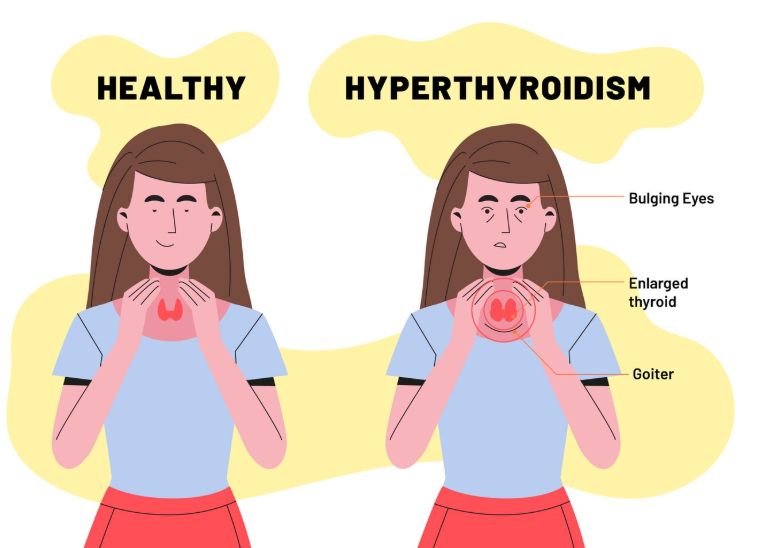
Hyperthyroidism occurs when the thyroid gland produces too much T4/T3. Consequently, the body runs in a “fast-forward” state: heart rate rises, metabolism speeds up, and nerves feel edgy. You may notice palpitations, sweating, heat intolerance, tremors, weight loss despite appetite, loose stools, and sleep disruption. Because the thyroid belongs to a wider network—brain, adrenals, immune system, and gut—even small hormonal shifts can echo across energy, mood, and digestion. Fortunately, with individualized homeopathy, climate-wise lifestyle routines, and doctor-guided diagnostics, people can regain calm, comfort, and control.

What are common causes Hyperthyroidism?

Hyperthyroidism rarely has a single cause. Instead, several drivers usually stack:

  • Graves’ disease (autoimmune): antibodies stimulate the thyroid to overproduce hormone; eye symptoms may occur.
  • Toxic nodules or multinodular goitre: autonomous nodules secrete thyroid hormone.
  • Thyroiditis: inflammation releases stored hormones, often causing a temporary hyper phase that may later swing to hypo.
  • Medication and iodine exposure: amiodarone, excess iodine, or contrast dyes can push the gland into overdrive.
  • Postpartum shifts: immune changes after delivery can trigger a hyper-then-hypo pattern.
  • Stress, poor sleep, and stimulants: these do not cause hyperthyroidism by themselves; however, they amplify symptoms.
  • Nutrient gaps: low selenium, iron/ferritin, Vitamin D, and B12 may worsen fatigue and mood while your hormones run high.

Homeopathy Approach to Hyperthyroidism treatment in Thiruvananthapuram & Kanyakumari District

At Shine Clinic, we use individualized homeopathy as part of a collaborative, integrative plan. We never replace essential medical therapy; instead, we work alongside your endocrinologist so you feel safer, calmer, and more in control while the biochemistry stabilizes.

How we build your plan

  1. Whole-person history: onset and speed of symptoms, triggers, stress map, sleep pattern, appetite/weight trend, bowel rhythm, menstrual details, and family history.
  2. Report review with your doctor: TSH, Free T4, Free T3, TRAb (Graves’), TPO/Tg antibodies, ECG/heart rate, Vitamin D, B12, ferritin, lipids, glucose/HbA1c, plus ultrasound if nodules are suspected.
  3. Constitutional remedy selection: matched to heat sensitivity, anxiety tone, tremor profile, sweating pattern, cravings, and sleep.
  4. 4-Pillars routine (climate-wise): Plate (protein-forward, fiber-rich), Pulse (calm cardio + light strength), Pause (breath-led stress resets), Pillow (sleep anchors).
  5. Follow-ups: brief, focused check-ins to track pulse, weight, sleep, and mood; we refine remedy timing and coordinate prescribed medicines (e.g., antithyroid drugs or beta-blockers).

What are the types of Hyperthyroidism?

  • Graves’ hyperthyroidism: autoimmune, sometimes with Graves’ ophthalmopathy (eye involvement).
  • Toxic adenoma / toxic multinodular goitre: overactive nodules produce excess hormone.
  • Thyroiditis-related thyrotoxicosis: painful or painless; transient hormone spill.
  • Subclinical hyperthyroidism: low TSH with normal Free T4/T3; symptoms may be mild or absent.
  • Postpartum thyrotoxicosis: immune-driven pattern after delivery.

What are the signs of Hyperthyroidism?

  • Palpitations or a persistently fast pulse
  • Heat intolerance and excessive sweating
  • Tremors, nervousness, restlessness
  • Weight loss despite normal/high appetite
  • Loose stools or frequent bowel movements
  • Sleep disturbance, late-night alertness, early waking
  • Menstrual irregularity (often lighter cycles)
  • Eye symptoms in Graves’—grittiness, dryness, pressure, or prominence

Red flags (seek urgent care): chest pain, severe breathlessness, fainting, vision changes, fever with severe neck pain, or resting heart rate persistently very high.

What are the test for Hyperthyroidism?

Your clinician may advise:

  • TSH, Free T4, Free T3 to define thyroid function.
  • TRAb (TSH-receptor antibodies) to confirm Graves’; TPO/Tg antibodies for autoimmune context.
  • Ultrasound to check nodules, goitre, or gland texture.
  • ECG and blood pressure monitoring for palpitations.
  • Nuclear scan (when recommended) to characterize uptake in nodular disease.
  • Vitamin D, B12, ferritin/iron, lipids, glucose/HbA1c to assess overall health and risks.
  • Eye examination for suspected Graves’ ophthalmopathy.

How do you diagnose Hyperthyroidism?

Diagnosis blends history, examination, and focused labs, interpreted by your doctor. We then translate your results into a staged plan:

  • Week 1–2 – Calm & cadence: set a consistent wake time, adopt hydration cadence, begin individualized homeopathy, and align antithyroid/beta-blocker timing if prescribed.
  • Week 3–4 – Plate & pulse: shift to protein-forward, fiber-rich plates; practice calm cardio (shade walks/cycling) 20–30 minutes most days; add light strength twice weekly; track resting pulse.
  • Week 5–6 – Pause & pillow: add 2–4 minute breath resets (longer exhale), earlier dinners, and screen-off wind-down; protect cool, dark sleep.
  • Week 7–8 – Review: monitor weight, stool pattern, heat intolerance, tremor intensity, and sleep quality; coordinate follow-up labs with your clinician.

What are the signs and symptoms of Hyperthyroidism?

Symptoms often cluster and fluctuate with stress, sleep, heat, and meals:

  • Racing thoughts and edginess after caffeine or spicy late dinners
  • Shaky hands during presentations; sweaty palms in humid afternoons
  • Frequent stools after heavy, high-glycaemic lunches
  • Irritability, then energy crashes from unsettled sleep
  • Shortness of breath on stairs despite regular walking

Benefits of Alternative medicine for Hyperthyroidism

Used alongside medical care, homeopathy and simple routines can make hyperthyroidism more livable while your doctor addresses the underlying process:

  • Personalization: remedies reflect your exact signature—restlessness, sweat pattern, tremor profile, heat sensitivity, cravings, and sleep.
  • Gentle support: low-side-effect options that pair well with antithyroid therapy.
  • Consistency coaching: we translate advice into daily Plate–Pulse–Pause–Pillow habits that survive Kerala’s humidity and your schedule.
  • Confidence & adherence: brief reviews, climate-wise tweaks, and simple trackers protect momentum.
  • Life-proofing: your plan stays on track through exams, family events, travel, and festival seasons.

What are Hyperthyroidism risk factors and complications?

Risk factors

  • Family history of thyroid or autoimmune disease
  • Women in reproductive years or postpartum
  • Smoking (increases risk for Graves’ eye disease)
  • High iodine intake or specific medications (e.g., amiodarone)
  • Chronic stress and sleep debt that intensify symptoms

Potential complications (if unmanaged)

  • Cardiac strain: persistent tachycardia or rhythm issues
  • Bone loss: long-standing hyperthyroidism may reduce bone density
  • Muscle wasting and weight loss despite appetite
  • Ocular problems in Graves’ (requires specialist care)
  • Mood and sleep challenges: anxiety loops, irritability, insomnia

What are Lifestyle and home remedies for Hyperthyroidism

Small, repeatable actions calm a fast-forward system—especially in our coastal climate.

Plate (cooling, steadying nutrition)

  • Protein + fiber every meal: dal/legumes, eggs/lean meats if you eat them, paneer/tofu, nuts & seeds.
  • Slow carbs: millets, red/brown rice mix, whole grains paired with protein to stabilize glucose and jitters.
  • Color daily: greens, gourds, citrus, cucumber, and seasonal fruits.
  • Hydration cadence: steady sips; aim for pale-straw urine by evening.
  • Caffeine earlier, limit energy drinks; alcohol moderation to protect heart rate and sleep.
  • Sodium sense: cook fresh; go easy on very salty gravies and packaged snacks.

Pulse (movement that soothes—not spikes)

  • Calm cardio 20–30 minutes most days (shade walking/cycling).
  • Light strength twice weekly (body-weight squats, wall push-ups, bands) to protect muscle and bone.
  • Micro-moves hourly; add neck/shoulder mobility on desk days.
  • Pacing: avoid overexertion in heat; carry water and rest in cool spots.

Pause (nervous-system resets)

  • 2–4 minute breath-work: slow nasal inhale, longer exhale (e.g., 4–6 pattern).
  • Cooling breaks: rinse face/forearms, step into shade, sit near a fan.
  • Morning sunlight (brief, gentle) to anchor circadian rhythm and mood.

Pillow (sleep that restores)

  • Fixed wake time daily.
  • Screen-off wind-down 60–90 minutes; cool, dark bedroom; light cotton sleepwear.
  • Noise/heat plan: fan or white-noise app; cross-ventilation where safe.
  • Frequent awakenings or snoring? Discuss with your clinician—sleep quality shapes symptoms.

Is Homeopathy treatment good for Hyperthyroidism

Homeopathy for Hyperthyroidism can be supportive and patient-centred, especially for restlessness, sleep, heat intolerance, tremors, and digestive comfortalongside appropriate medical therapy. People appreciate the individualization and habit coaching that turn advice into reliable routines. Nevertheless, when biochemistry demands it, antithyroid medicines, beta-blockers, or specialist procedures (as advised by your endocrinologist) remain essential. At Shine Clinic, we integrate care so your plan stays safe, clear, and effective.

Best Homeopathy clinic for Hyperthyroidism in Thiruvananthapuram & Kanyakumari District

Patients choose Shine Clinic for clear communication, respectful care, and flexible access—in-clinic, phone, WhatsApp, and online. Furthermore, our guidance respects Kerala’s humidity, festival seasons, and commute patterns across Thiruvananthapuram and the Kanyakumari District. Because progress relies on consistency, our follow-ups stay short, kind, and focused on do-this-today wins you can sustain year-round.

Why Shine Clinic & Dr Merlin Sheema for Homeopathy Hyperthyroidism Treatment in Thiruvananthapuram, Kerala & Kanyakumari District of Tamil Nadu

With Dr Merlin Sheema and the Shine Clinic team, you receive:

  • Personalized plans based on your symptoms, labs, routines, and goals—not a template.
  • Collaborative care with endocrinologists and physicians for diagnostics and medication safety.
  • Climate-aware strategies: hydration cadence, cooling routines, and movement pacing suited to coastal humidity.
  • Practical tools: meal frameworks, snack swaps, pulse-tracking tips, and simple habit trackers.
  • Skin & hair guidance aligned to hyper states and local weather.
  • Flexible follow-ups: brief, encouraging check-ins that protect momentum without derailing your day.

Your next step

A fast thyroid can make life feel loud, hot, and hurried. Nevertheless, with Homeopathy for Hyperthyroidism, cooling nutrition, calm movement, breath-led resets, and consistent sleep, your days can feel steady again. If you live in Thiruvananthapuram or the Kanyakumari District, Shine Clinic will help you translate scattered advice into a clear, week-by-week plan—without harsh rules, without overwhelm, and with warm, steady support.

Call or message Shine Clinic to book an in-clinic visit or a quick phone/online consultation. Together, we’ll align your labs, refine your routine, select supportive remedies, and protect progress—one practical win at a time.

FAQ – Homeopathic clinic for Hyperthyroidism Treatment

There’s no one-size “cure.” However, individualized homeopathy—combined with appropriate antithyroid therapy when indicated—often improves sleep, calm, and heat tolerance while your doctor stabilizes hormones.

No. We integrate, not replace. Keep medicines as directed; we support steadiness and comfort.

Many people notice deeper sleep and a steadier pulse within 4–8 weeks, especially after regular breath-work, earlier dinners, and hydration cadence.

We support comfort and routine while your specialist manages ocular care. Cooling strategies and consistent sleep often help you cope better.

Prioritize protein + fiber, slow carbs, and steady hydration. Limit late caffeine and very spicy late dinners that can spike pulse and disturb sleep.

With medical treatment plus protein-forward plates and light strength training, you can protect muscle and stabilize weight as hormones settle.

Not always. We personalize plans. Your clinician may check Vitamin D, B12, and ferritin; we prefer food-first unless tests show deficits.

Yes. Stress elevates adrenaline. Therefore, 2–4 minute breath resets, short cooling breaks, and consistent bedtimes make a real difference.

Absolutely. We support individuals across Thiruvananthapuram and Kanyakumari District via phone and video—with privacy and practical guidance.

If you experience chest pain, severe breathlessness, fainting, vision changes, or a resting heart rate persistently very high, seek emergency evaluation.