Irritable Bowel Syndrome Treatment in Homeopathy

Irritable Bowel Syndrome

Irritable Bowel Syndrome Treatment in Homeopathy – Thiruvananthapuram, Kerala & Kanyakumari District of Tamil Nadu | Shine Clinic

Bloating before meetings, urgent runs to the restroom on commute days, and food anxiety at family functions—Irritable Bowel Syndrome (IBS) can quietly control your calendar. Yet, with the right plan, relief becomes practical, gentle, and repeatable. At Shine Clinic, we design a step-by-step IBS Treatment in Homeopathy program for families across Thiruvananthapuram and the Kanyakumari District. We begin with your story—work shifts, food culture, stress patterns, and sleep—and then craft an integrated plan that blends individualized homeopathy, Kerala-smart nutrition, gut-calming routines, and short, focused follow-ups. Most importantly, we coordinate with your physician whenever tests or medicines are essential—because safety and clarity come first.

What is Irritable Bowel Syndrome (IBS)?

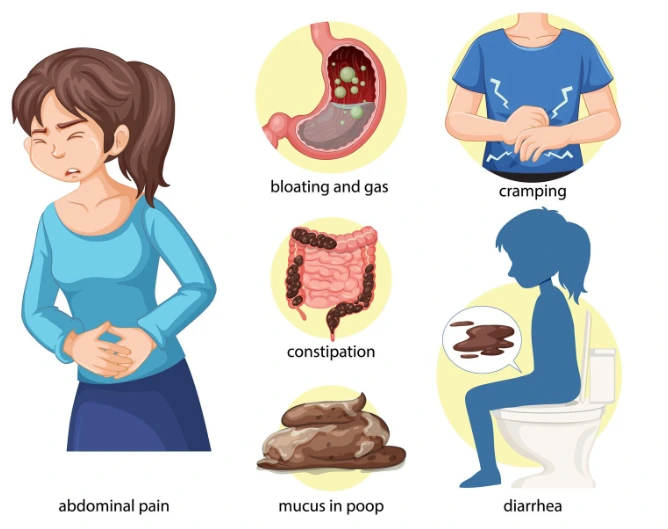
IBS is a functional gut condition characterized by recurrent abdominal pain with altered bowel habits (diarrhea, constipation, or both) and bloating. The intestinal structure looks normal on routine tests; however, the gut–brain axis becomes hypersensitive. Consequently, stress, food timing, and even sleep debt can amplify symptoms. Fortunately, IBS responds well to structured routines: consistent meals, smart fiber strategies, breath-led calm, movement, better sleep—and individualized homeopathy that respects your symptom pattern.

What are common causes Irritable Bowel Syndrome (IBS)?

IBS is multifactorial. Rather than a single cause, several drivers stack up:

  • Gut–brain communication shifts that heighten pain signaling.
  • Motility irregularity, leading to rapid transit (IBS-D) or slow transit (IBS-C).
  • Gas handling and fermentation differences after large, late, or unbalanced meals.
  • Post-infection changes—some develop IBS after gastroenteritis or antibiotics.
  • Food timing errors—long fasting followed by big, rushed dinners.
  • Stress and sleep debt, which sensitize the gut and tighten the abdomen.
  • Sedentary days with prolonged sitting and minimal post-meal movement.
  • Local context: Kerala’s delicious festival foods, late social dinners, and humid evenings can prolong flares unless we plan wisely.

Homeopathy Approach to Irritable Bowel Syndrome (IBS) treatment in Thiruvananthapuram & Kanyakumari District

At Shine Clinic, we never hand out a generic “IBS kit.” Instead, we individualize. We map your pain location and character, bloating pattern, stool rhythm (IBS-D, IBS-C, or IBS-M), food triggers, thirst, heat/cold preference, weather sensitivity, mood tone, and sleep. Then we integrate homeopathic remedies with real-world routines that fit coastal life.

How we build your plan

  1. Whole-person history: 7-day food and symptom diary, stool pattern, tea/coffee habits, stressors, exercise, and sleep anchors.
  2. Report review (as needed with your physician): CBC, iron/B12, Vitamin D, thyroid panel; stool tests or colonoscopy only if alarm features exist.
  3. Constitutional remedy selection: aligned to your signature—pain improves with pressure vs. warmth, morning rush vs. evening heaviness, anxiety overlay vs. irritability.
  4. Plate–Pulse–Pause–Pillow routine: Plate (gut-friendly structure), Pulse (walks + mobility), Pause (2–4-minute breath resets), Pillow (sleep hygiene).
  5. Kerala-smart coaching: dosa/idli/appam/puttu combinations, legume soaking, spice moderation without losing taste, travel and festival plans.
  6. Follow-ups: brief, targeted check-ins to fine-tune remedies, adjust fiber strategy, and solve barriers (shifts, school exams, weddings).

We integrate, not replace, medical care. When your clinician advises medicines or tests, we coordinate to keep treatment safe and clear.

What are the types of Irritable Bowel Syndrome (IBS)?

  • IBS-D (diarrhea-predominant): frequent loose stools, urgency, morning rush.
  • IBS-C (constipation-predominant): hard stools, straining, incomplete evacuation.
  • IBS-M (mixed): alternates between diarrhea and constipation.
  • Post-infectious IBS: develops after an infection; may show bloating and urgency months later.
  • Stress-linked IBS: flares during deadlines, travel, or sleep debt.

What are the signs of Irritable Bowel Syndrome (IBS)?

  • Recurrent abdominal pain related to defecation or stool change
  • Bloating and visible distension, worse by evening
  • Altered stool form/frequency—loose, hard, or alternating
  • Mucus in stool (often benign in IBS)
  • Relief after passing stool or gas in many cases

Red flags (seek prompt medical evaluation): weight loss, fever, blood in stool, persistent vomiting, iron-deficiency anemia, family history of significant GI disease, or symptoms after age 50 without previous evaluation.

What are the test for Irritable Bowel Syndrome (IBS)?

Most IBS is clinical, yet tests help rule out other issues when needed:

  • Basic labs: CBC (anemia), iron/B12, Vitamin D, thyroid panel.
  • Stool studies: when infection, inflammation, or malabsorption is suspected.
  • Celiac or lactose assessment if symptoms suggest.
  • Colonoscopy per physician guidance when red flags or age-screening criteria apply.

How do you diagnose Irritable Bowel Syndrome (IBS)?

Diagnosis blends history, Rome-style symptom criteria, and targeted tests when indicated. At Shine Clinic, clarity becomes a structured 10-week roadmap:

  • Week 1–2 – Stabilize & structure: start individualized homeopathy; introduce protein-first bites; set hydration cadence; begin 5–10-minute post-meal walks; reduce carbonated drinks; keep a trigger diary.
  • Week 3–4 – Calm & balance: practice 15–20 chews per mouthful; soak/pressure-cook legumes; use jeera/hing/ginger in cooking; implement 2–4-minute breath resets before meals.
  • Week 5–6 – Fiber finesse: refine soluble fiber (oats, banana, psyllium) for IBS-D; add gradual insoluble+soluble mix for IBS-C; pair carbs with protein/vegetables.
  • Week 7–8 – Sleep & stress anchors: enforce screen dimming 60–90 minutes before bed; maintain fixed wake time; add short mobility breaks during work.
  • Week 9–10 – Sustain & prevent: finalize festival/travel plan; rehearse “restaurant rules” (portion, pace, pairing); schedule doctor-recommended follow-ups only if needed.

What are the signs and symptoms of Irritable Bowel Syndrome (IBS)?

Beyond textbook lists, real life shows patterns we can treat:

  • Morning urgency before work or school
  • Afternoon bloat after large rice plates or deep-fried snacks
  • Cramping that eases with warmth, pressure, or passing gas
  • Anxious belly on deadline days and long commutes
  • Better evenings after earlier, lighter dinners and brief walks

Benefits of Alternative medicine for Irritable Bowel Syndrome (IBS)

Used alongside medical care, homeopathy offers gentle, personalized support:

  • Individualization: remedies align to pain character, bloating pattern, stool rhythm, thirst, and mood tone.
  • Low side-effect profile: easy to pair with physician-guided therapy when required.
  • Habit architecture: our Plate–Pulse–Pause–Pillow system converts advice into daily actions you can actually keep.
  • Kerala-smart menus: flavor stays; triggers shrink.
  • Consistency coaching: quick reviews protect momentum through exams, weddings, and monsoons.

What are Irritable Bowel Syndrome (IBS) risk factors and complications?

Risk factors

  • Family history of functional GI sensitivity
  • Post-infection changes, antibiotic courses
  • Stress, anxiety, or sleep debt
  • Irregular meals, low chewing, high fizz intake
  • Sedentary routine, prolonged sitting
  • Nutrient gaps—low protein, fiber, B12, Vitamin D

Potential complications (mostly quality-of-life)

  • Food fear and social avoidance
  • Work and school disruptions
  • Sleep disturbance and fatigue
  • Excess reliance on quick-fix antacids/OTC meds without addressing patterns

What are Lifestyle and home remedies for Irritable Bowel Syndrome (IBS)

Small, consistent actions change the arc—especially in our coastal climate.

Plate (gut-friendly nutrition)

  • Protein-first bites at every meal: curd/paneer/tofu/dals/eggs/lean fish (if you eat them). Protein steadies motility and satiety.
  • Kerala-smart swaps:
    • Prefer idli, appam with stew, red/semi-polished rice in smaller portions paired with vegetables and protein.
    • Choose less-oily thoran; use jeera/hing/ginger to enhance comfort.
    • Soak and pressure-cook legumes; start with moong/chana in small portions.
  • Chew more, rush less: aim for 15–20 chews per mouthful.
  • Hydration cadence: steady sips; avoid chugging large volumes during meals.
  • Fizz and sweeteners: minimize carbonated drinks and artificial sweeteners during healing.
  • Snack sense: banana, roasted chana, curd rice, steamed peanuts, or a small handful of nuts.

Pulse (movement that helps, not hurts)

  • 5–10-minute post-meal walks for gas clearance and motility.
  • Daily brisk walking and gentle mobility for hips/spine.
  • Desk breaks each hour: stand, shoulder rolls, 30 deep breaths.

Pause (nervous-system calm)

  • 2–4-minute breath resets before lunch and dinner (inhale 4, exhale 6–8).
  • Jaw-shoulder unclench micro-breaks during stress surges.
  • One-song reset—music, stretch, or a gratitude note—to ease the gut–brain loop.

Pillow (sleep that repairs)

  • Early, lighter dinners; leave 2–3 hours before lying down.
  • Screen discipline; dim lights 60–90 minutes before bed.
  • Fixed wake time, cool room, cotton bedding.

Is Homeopathy treatment good for Irritable Bowel Syndrome (IBS)

Homeopathy for IBS can be supportive and patient-centred, especially for bloating, cramping, urgency, constipation, and stress-linked flaresalongside appropriate medical care. We never promise instant cures; however, with structured meals, proper cooking, movement, breath-led calm, sleep hygiene, and consistent follow-ups, most people report lighter bellies, steadier bowels, and more confident days.

Best Homeopathy clinic for Irritable Bowel Syndrome (IBS) in Thiruvananthapuram & Kanyakumari District

Patients choose Shine Clinic for clear guidance, practical plans, and flexible accessin-clinic, phone, WhatsApp, and online. Our approach respects Kerala’s cuisine, monsoon rhythms, and commute patterns across Thiruvananthapuram and the Kanyakumari District. Because progress relies on consistency, our follow-ups stay short, kind, and focused on do-this-today wins you can actually keep.

Why Shine Clinic & Dr Merlin Sheema for Homeopathy Irritable Bowel Syndrome (IBS) Treatment in Thiruvananthapuram, Kerala & Kanyakumari District of Tamil Nadu

With Dr Merlin Sheema and the Shine Clinic team, you receive:

  • Personalized plans shaped by your symptom signature, reports, meals, and goals—not a template.
  • Collaboration with your physician for diagnostics and safety.
  • Kerala-wise strategies: taste-preserving swaps, festival menus, travel checklists, and office tiffin ideas.
  • Practical tools: chewing cues, plate templates, hydration schedule, spice-tolerance maps, and quick breath scripts.
  • Stress & sleep coaching built for shift work, caregiving, and exam seasons.
  • Flexible follow-ups that protect momentum without overwhelming your day.

Your next step

Your gut deserves calm, rhythm, and respect. With Homeopathy for IBS, Kerala-wise plates, breath-led calm, post-meal walks, and sleep anchors, you can reclaim ease and confidence—under your doctor’s guidance. If you live in Thiruvananthapuram or the Kanyakumari District, Shine Clinic will help you convert scattered advice into a simple, week-by-week plan—without harsh rules, without overwhelm, and with warm, steady support.

Call or message Shine Clinic to book an in-clinic visit or a quick phone/WhatsApp/online consultation. Together, we’ll tailor your remedies, tune your plate, and protect progress—one practical win at a time.

FAQ – Homeopathic clinic for Irritable Bowel Syndrome (IBS) Treatment

IBS is chronic-tendency for many; however, individualized homeopathy plus structured routines often delivers long-term control and calmer days.

No. We integrate, not replace. Continue your clinician’s plan; we coordinate for safety and clarity.

Many notice lighter bloating and steadier mornings within 2–4 weeks, especially after meal structure and post-meal walks.

It depends. IBS-D often prefers soluble fiber first (oats/psyllium). IBS-C benefits from gradual fiber mix plus hydration. We will personalize it.

For many, yes—timed and moderate portions soothe the gut. We’ll match it to your tolerance.

Very chilli-forward, oily dishes can trigger flares. Instead, use ginger, jeera, hing, fresh herbs for comfort and flavor.

Have them after food and moderate strength. Very strong, empty-stomach cups can aggravate the gut.

Yes—and it helps. Choose brisk walks and light strength most days; avoid intense core work right after meals.

Use only as your doctor advises. Meanwhile, fix timing, chewing, hydration, cooking methods, movement, and sleep to reduce reliance.

Carry protein snacks, use portion-pairing (protein + veg with carbs), walk after meals, and keep a breath reset before you eat.