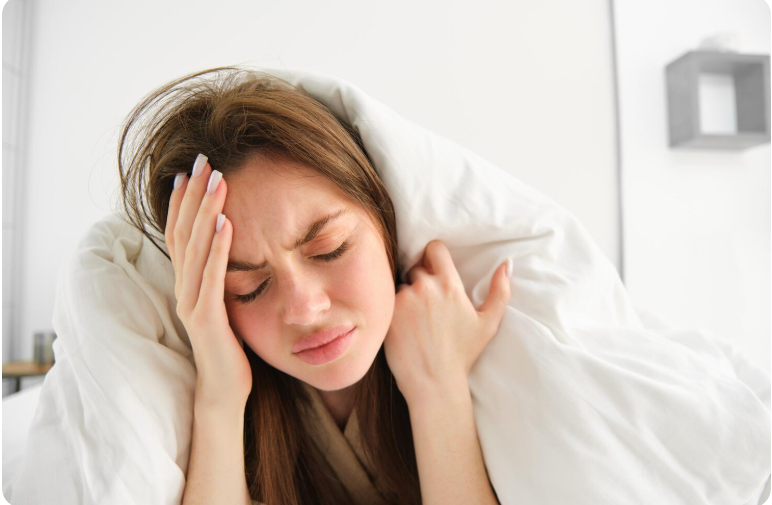
Migraine Treatment in Homeopathy

migrain

Migraine Treatment in Homeopathy – Thiruvananthapuram, Kerala & Kanyakumari District of Tamil Nadu | Shine Clinic

Blinding headache, sound sensitivity, and the need to hide in a dark room can stop life in its tracks. Yet relief becomes possible when your care is personal, practical, and consistent. At Shine Clinic, we provide compassionate, structured Migraine Treatment in Homeopathy for families across Thiruvananthapuram and the Kanyakumari District. We listen first, map your trigger pattern, and then build a step-by-step plan you can actually follow at home, school, work, and on the road. Moreover, we coordinate respectfully with your neurologist or primary-care doctor so safety and clarity stay front and center.

What is Migraine ?

Migraine is a recurrent neurological condition marked by headache attacks that can last 4–72 hours and often come with nauseavomitinglight sensitivity (photophobia), and sound sensitivity (phonophobia). Some people experience aura—visual zigzags, blind spots, tingling, or speech changes—before the pain. Because migraine affects the brain’s sensory processing, everyday inputs such as light, smells, or stress can amplify pain signals. Thankfully, when you combine individualized care, trigger awareness, and recovery routines, attacks usually become less frequent and less disabling.

What are common causes Migraine ?

Migraine has no single cause. Instead, several factors typically stack and cross-sensitize the nervous system:

  • Genetic predisposition and family history.
  • Hormonal shifts: perimenstrual days, perimenopause, or thyroid variability.
  • Sleep disruption: late nights, oversleeping, or jet lag.
  • Dietary triggers: long gaps between meals; dehydration; sometimes chocolate, aged cheese, or processed meats.
  • Environmental inputs: humidityglareloud noisestrong perfume, or traffic pollution.
  • Stress patterns: high pressure followed by let-down; rumination; irregular breaks.
  • Cervical strain: poor posture, heavy bags, prolonged screens.
  • Comorbidities: sinus irritation, reflux, or bruxism (night teeth grinding).

Homeopathy Approach to Migraine treatment in Thiruvananthapuram & Kanyakumari District

At Shine Clinic, we practice individualized homeopathy paired with climate-aware, do-able routines. First, we chart your attack diary—onset, side, character, duration, cycle day, sleep, and food gaps. Next, we match constitutional remedies to your unique pattern (with or without aura; right- or left-sided; throbbing vs. pressure; better/worse with movement, pressure, or sleep). Meanwhile, we teach trigger mappingrecovery scripts, and hydration/light routines that suit Kerala’s coastal climate and Kanyakumari’s daily rhythms.

What your plan can include

  • Targeted homeopathic remedies aligned to aura, laterality, triggers, and recovery speed.
  • Migraine diary (paper or phone) to spot food, sleep, or light patterns.
  • Hydration rhythm and protein-first meals to stabilize energy and avoid glucose dips.
  • Light hygiene: morning sunlight for 10–15 minutes; evening dimming 60–90 minutes pre-bed.
  • Neck care: posture resets, micro-stretches, and ergonomic tweaks for screens.
  • Calm-down protocol: dark-room routine, gentle breath-work, and cool/tepid compress guidance.
  • Collaboration: we coordinate with your doctor for imaging or medication plans when indicated.

We never ask you to stop prescribed medicines without your clinician’s advice. Instead, we integrate care—so your plan is safe, clear, and realistic.

What are the types of Migraine ?

Recognizing type helps us select the right tools:

  • Migraine without aura: the most common; throbbing unilateral or bilateral pain with sensitivity to light/sound.
  • Migraine with aura: visual/sensory/language disturbances preceding pain.
  • Menstrual-related migraine: flares around period days.
  • Vestibular migraine: dizziness, motion sensitivity, or balance issues with/without headache.
  • Chronic migraine: headache on ≥15 days/month for >3 months with migraine features.
  • Abdominal migraine (children): episodic abdominal pain with migraine traits.
  • Cervicogenic overlap: neck-driven triggers blend with migraine susceptibility.

What are the signs of Migraine ?

You might not have every sign each time; nevertheless, look for:

  • Throbbing or pressure-type headache, often one-sided.
  • Worsening with routine activity, bending, or stair climbing.
  • Sensitivity to lightsound, and sometimes smell.
  • Nausea or vomiting.
  • Aura: shimmering lines, blind spots, tingling, or speech difficulty.
  • Neck stiffnessyawningmood change, or food cravings hours before.

Red flags (seek urgent care): “worst ever” thunderclap headache, new neurological deficit, fever with neck stiffness, head injury, or sudden change in pattern—especially after age 50.

What are the test for Migraine ?

No single test “proves” migraine; diagnosis is clinical. Still, tests help exclude other issues or clarify contributors:

  • Neurological & ENT exam.
  • Vision check and refraction for eye strain.
  • Blood tests (when relevant): thyroid profileVitamin DB12iron.
  • Imaging (CT/MRI) only when red flags, atypical signs, or new neurological findings appear.
  • Sleep evaluation if snoring, apnea cues, or severe insomnia exist.
  • Cervical spine assessment for posture-related triggers.

How do you diagnose Migraine ?

We begin with a detailed history and a focused examination. We document attack featuresdurationauratriggersdisability, and response to rest or medications. We also review sleepcycle timingwork patternsneck strain, and food spacing. At Shine Clinic, we then synthesize findings into a staged plan: Week-1 reset (diary + hydration + light cues), Week-2 trigger mapping + neck care, and Week-3 consolidation with tailored homeopathic support. Consequently, you gain a roadmap you can follow without guesswork.

What are the signs and symptoms of Migraine ?

Because migraine evolves in phases, signs and symptoms often cluster:

  • Prodrome (hours to days): yawning, mood shift, cravings, neck stiffness, frequent urination.
  • Aura (5–60 minutes): visual zigzags, scintillating scotoma, tingling, speech slowness.
  • Headache phase (4–72 hours): throbbing/pulsating pain, nausea, photophobia/phonophobia, worse on exertion.
  • Postdrome (up to a day): “brain fog,” fatigue, scalp soreness, reduced tolerance to noise/light.

Benefits of Alternative medicine for Migraine

Used alongside medical carehomeopathy and supportive routines can make daily life easier:

  • Personalization: remedy choice mirrors your exact pattern—side preference, aura presence, trigger sensitivity, and relief modalities.
  • Gentle support: low-side-effect options that fit long-term routines.
  • Consistency coaching: hydrationmeal timingsleep anchors, and light hygiene become reliable habits.
  • Trigger awareness: practical, room-by-room checklists (glare control, clutter-light desks, perfume limits).
  • Confidence & adherence: simple action cards during prodrome help reduce disability and improve use of doctor-advised medicines.

We do not promise instant cures. However, we aim to reduce frequencyshorten duration, and lower intensity through realistic, sustainable steps.

What are Migraine risk factors and complications?

Risk factors

  • Family history of migraine.
  • Hormonal transitions (menstrual cycles, perimenopause).
  • Irregular sleep and skipped meals.
  • Dehydration and heat/humidity exposure.
  • High stress/let-down cycles.
  • Screen glare, poor posture, and cervical strain.
  • Certain foods or alcohol (individual variability).

Potential complications

  • Chronification: attacks on ≥15 days/month.
  • Medication overuse headache (MOH) if painkillers are used too frequently.
  • Work/school absenteeism and reduced productivity.
  • Mood impacts: anxiety or low mood due to unpredictability.
  • Light/sound intolerance that restricts social life.

Because risk accumulates, we focus on small, repeatable wins to push frequency and intensity downward.

What are Lifestyle and home remedies for Migraine

Small changes, done daily, can shift the course of your month.

Rhythm anchors

  • Hydration: sip water every 30–45 minutes; add electrolytes on humid days.
  • Regular meals: protein-first breakfast; avoid long gaps; carry a balanced snack.
  • Sleep consistency: fixed wake time; dim lights 60–90 minutes before bed.

Trigger smart

  • Light hygiene: reduce glare; use warm light after sunset; add screen filters.
  • Noise plan: soft earplugs or noise-masking tracks during peak sensitivity.
  • Smell boundaries: avoid strong perfumes/cleaners; air rooms gently.

Neck & posture

  • Micro-stretches hourly: chin tucks, scapular retraction, shoulder rolls.
  • Setup: eye-level screens, feet planted, elbows ~90°, lower back support.
  • Load: distribute bags; avoid single-strap overload.

Calm-down protocol (at first hints)

  • Dark, cool, quiet room; slow exhale breathing for 2–4 minutes.
  • Cool/tepid compress on forehead/neck as preferred.
  • Short nap if it reliably helps you.
  • Follow your clinician’s acute-care plan without delay.

Nutrition notes (with your doctor’s guidance)

  • Consider labs for thyroidVitamin DB12, and iron if fatigue persists.
  • Favor whole foods; keep caffeine moderate and earlier in the day; limit alcohol on vulnerable evenings.

Is Homeopathy treatment good for Migraine

Homeopathy for Migraine can be supportive and patient-centered, especially when paired with trigger mappingsleep anchors, and clinician-guided acute plans. Many patients value the individualization, the gentle dosing, and the coaching that turns advice into daily habits. Nevertheless, if your doctor prescribes preventive or rescue medications, you should follow their plan. At Shine Clinic, we collaborate respectfully to keep your care safe and effective.

Best Homeopathy clinic for Migraine in Thiruvananthapuram & Kanyakumari District

People choose Shine Clinic for clear communicationtransparent fees, and flexible access—in-clinic, phone, and online. Additionally, our checklists reflect local humiditycoastal light cyclesfestival smoke, and daily commute patterns unique to Thiruvananthapuram and the Kanyakumari District. Because improvement requires consistency, our follow-ups stay short, friendly, and focused on wins you can achieve this week.

Why Shine Clinic & Dr Merlin Sheema for Homeopathy Migraine Treatment in Thiruvananthapuram, Kerala & Kanyakumari District of Tamil Nadu

Choosing a clinic should feel reassuring. With Dr Merlin Sheema and the Shine Clinic team, you receive:

  • Personalized plans: remedies and routines built from your story—not a template.
  • Collaborative care: coordination with your neurologist or GP; respect for prescriptions.
  • Safety protocols: red-flag education and clear referral pathways.
  • Local insight: season-wise, light-wise, and humidity-wise tips for Kerala and the Kanyakumari belt.
  • Practical coaching: diary setup, posture resets, hydration cadence, and calm-down scripts.
  • Flexible slots: in-clinic visits plus phone/online reviews to reduce travel stress.
  • Kind follow-ups: brief, supportive check-ins that help you stay consistent.

Your next step

Migraine may be common, but it is not inevitable. With Homeopathy for Migraine, smart routines, and respectful medical collaboration, you can turn chaos into a clear, week-by-week plan. If you live in Thiruvananthapuram or the Kanyakumari DistrictShine Clinic will help you track triggers, tune habits, and regain confident, comfortable days.

Call or message Shine Clinic to book an in-clinic visit or a quick phone/online consultation. Together, we’ll map your pattern, choose supportive remedies, and guide you toward calmer mornings and quieter evenings—one steady step at a time.

FAQ – Homeopathic clinic for Migraine Treatment

There is no guaranteed cure. However, individualized homeopathy plus trigger control and routine anchors often reduce frequency and shorten attacks.

Usually no. Imaging is reserved for red flags or atypical patterns. We review your history and coordinate with your doctor if needed.

Many patients report steadier days within 4–6 weeks as hydration, sleep, and trigger mapping become consistent.

Often yes. We do not replace prescribed medications; we coordinate with your clinician for safe, combined care.

We design a perimenstrual protocol: sleep anchors, hydration, magnesium-rich foods (if suitable), and remedy timing.

Rigid rules rarely work. Instead, we focus on meal rhythmhydration, and noticing personal food triggers without obsession.

For many, yes—glare and posture matter. We coach filters, frequent eye breaks, and ergonomic tweaks.

Often. Short breathing drillsmicro-breaks, and realistic schedules reduce peaks and post-deadline let-downs.

Absolutely. We provide phone and video consults across Thiruvananthapuram and Kanyakumari District.

If you have the worst headache of your life, new neurological symptoms, fever with neck stiffness, head injury, or a dramatic pattern change—seek emergency help immediately.