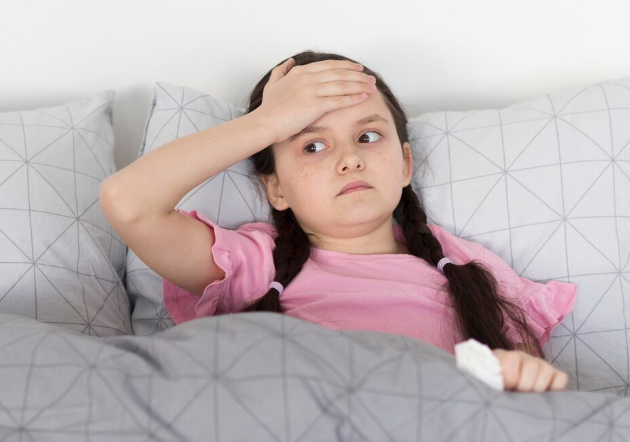
Frequent Fever Treatment in Homeopathy

Frequent fever

Frequent Fever Treatment in Homeopathy – Thiruvananthapuram, Kerala & Kanyakumari District of Tamil Nadu | Shine Clinic

When a child keeps getting fever, the whole home pauses. Sleep breaks. School days are missed. Parents worry about immunity, hygiene, and diet. Fortunately, you can bring calm and clarity back—gently and systematically. At Shine Clinic, we create personalized Frequent Fever Treatment in Homeopathy for families across Thiruvananthapuram and the Kanyakumari District. We blend individualized homeopathy, Kerala-wise nutrition, sleep anchors, hydration cadence, and practical hygiene—all while coordinating with your child’s paediatrician for tests, vaccinations, and safety. Because for kids, kindness and clarity always come first.

What is Frequent Fever?

Frequent fever means a child gets repeated episodes of fever over weeks or months, often linked to viral colds, throat infections, sinus flare-ups, or tummy bugs. In school-going children—especially during monsoon months or exam seasons—short viral fevers are common. Yet when the gaps between fevers grow too short, or recovery feels slow, families need a structured plan. That plan should identify triggers, check immunity basics, optimize sleep and nutrition, and apply gentle, individualized care so the child bounces back faster.

What are common causes Frequent Fever?

Frequent fever rarely has a single cause. Instead, several influences stack up in everyday life:

  • Exposure at school/tuition during monsoon and festival seasons
  • Dust mites and molds in coastal homes, especially with indoor drying of clothes
  • Allergic rhinitis/sinus drip that invites repeated throat or ear infections
  • Low-protein, low-fiber plates that slow recovery
  • Micronutrient gaps (vitamin D, iron, zinc, B12) that tire the immune system
  • Sleep debt from late screens or homework rush
  • Dehydration in hot months or during play
  • Unmanaged reflux leading to throat irritation and cough at night
  • Second-hand smoke or incense/mosquito coils irritating the airway
  • Inadequate hand hygiene or sharing bottles/snacks in class

Homeopathy Approach to Frequent Fever treatment in Thiruvananthapuram & Kanyakumari District

At Shine Clinic, we do not hand out a “fever syrup.” We individualize care. We understand your child’s fever pattern (time of day, rise and fall), sweat and thirst, heat/cold preference, cough/blocked nose profile, gut sensitivity, sleep quality, diet, school schedule, and recent lab reports. Then we combine homeopathic remedies with Kerala-smart routines that a child and parent can actually keep.

How we build your child’s plan

  1. Whole-child history: fever diary, exposure points (school bus, sports, tuition), AC settings, bedroom dust, meal timing, and bedtime routine.
  2. Report review (with the paediatrician): CBC, vitamin D, iron studies, CRP when needed; throat swab or urine tests when indicated; chest exam/spirometry if cough persists.
  3. Constitutional remedy selection: tuned to your child’s signature—high evening fevers, profuse sweating, throat-nose cycle, post-viral fatigue, or gut repeats.
  4. Resilience framework—Plate–Pulse–Pillow–Pause–Protect:
    • Plate: child-friendly, protein-forward meals with Kerala flavors.
    • Pulse: outdoor play and sunlight moments to support immunity and sleep.
    • Pillow: regular sleep/wake times and wind-down rituals that kids enjoy.
    • Pause: breathing games and calm corners to ease stress loops.
    • Protect: school and monsoon hygiene, hand-washing rhythm, mask for dusty chores, and travel kits.
  5. Follow-ups: short, kind check-ins to track recovery speed, tweak remedies, and coordinate any paediatric advice or vaccinations.

We integrate, not replace, medical care. If your paediatrician suggests antibiotics for a proven bacterial infection, inhalers, or further testing, we support that plan for safety and momentum.

What are the types of Frequent Fever?

  • Recurrent viral fever pattern: short fevers with runny nose/cough; quick peaks during monsoon or school restarts.
  • Allergy-airway overlap: blocked nose, drip, ear pain flares leading to fever spikes.
  • Gut-susceptible profile: tummy pain, loose stool, dehydration, low appetite after school snacks.
  • Post-viral fatigue profile: low-grade feverishness with tiredness for days after infection.
  • Occasional bacterial episodes: tonsillitis, sinusitis, or urinary infection—require paediatric evaluation.

What are the signs of Frequent Fever?

  • Repeated fevers within short intervals (for example, every 2–3 weeks)
  • Night cough, blocked nose, or ear pain recurring with school cycles
  • Low appetite, crankiness, or fatigue after small infections
  • Slow return to full energy post fever
  • Missed school days and disturbed sleep

Red flags (seek urgent paediatric care): very high fever with poor response to fluids/medicines, lethargy, stiff neck, breathing difficulty, persistent vomiting, severe dehydration, rash with bleeding points, or chest pain.

What are the test for Frequent Fever?

Your paediatrician may suggest:

  • CBC with differential to watch white-cell patterns
  • CRP/ESR when inflammation needs tracking
  • Vitamin D, iron studies, zinc if nutrition gaps are suspected
  • Throat swab/urine analysis based on symptoms
  • Chest exam ± X-ray/Spirometry if cough or wheeze repeats
  • Allergy workup/IgE when nasal/skin symptoms dominate
  • Specialist referral (ENT/pulmonology/infectious disease) if red flags appear

How do you diagnose Frequent Fever?

Diagnosis is a pattern decision. We map frequency, duration, peak timing, associated symptoms, recovery speed, sleep, nutrition, and hygiene. Once the paediatrician rules out specific medical causes, we convert that clarity into a structured 12-week recovery program:

  • Weeks 1–2 – Calm & hydrate: start individualized homeopathy; track fluids (water, tender coconut, buttermilk where suitable); maintain light, early dinners; begin steam wisely (short, warm, never scalding) if nose blocks.
  • Weeks 3–4 – Plate & sleep: set protein anchors (eggs/paneer/fish/pulses), add fruit and veg ladders, move caffeine away from late evenings for older kids; fix lights-out routine.
  • Weeks 5–6 – Hygiene & play: dust-proof bedroom, sun pillows, clean AC filters; reinforce hand-washing rhythm (after school, before food, after washroom); schedule outdoor play.
  • Weeks 7–8 – School-smart habits: personal water bottle, no sharing of straws or snacks; encourage mask during peak viral weeks if advised; keep a pocket tissues + sanitizer kit.
  • Weeks 9–10 – Gut support: curd/buttermilk or simple fermented foods if tolerated; rotate pulses; cut deep-fried bingeing; encourage post-meal 8–12-minute walks with parents.
  • Weeks 11–12 – Sustain & celebrate: re-map fever gaps, adjust remedies, and celebrate tiny wins to keep motivation high.

What are the signs and symptoms of Frequent Fever?

Beyond thermometers, everyday patterns reveal the root:

  • Indoor damp + AC blast → night cough and morning feverishness
  • Late, heavy dinners → reflux + poor sleep → throat irritation and fevers
  • Low-protein breakfasts → lower energy → slower recovery and repeat infections
  • Shared water bottlesgut/viral relapses
  • Screen-heavy nightssleep debt, irritable mornings, and reduced resilience

Benefits of Alternative medicine for Frequent Fever

Used alongside paediatric care, homeopathy can make recurrent-fever seasons gentler and more predictable:

  • Personalization: remedies aligned to fever pattern, sweat/thirst, nose–throat–cough cycle, and recovery speed
  • Low side-effect profile: easy to pair with paediatrician-guided therapy
  • Habit architecture: our Plate–Pulse–Pillow–Pause–Protect system converts advice into tiny, repeatable wins kids can keep
  • Kerala-wise menus: flavor stays; nutrients rise; oil stays measured
  • Consistency coaching: brief, warm follow-ups that work for school timetables

What are Frequent Fever risk factors and complications?

Risk factors

  • Monsoon humidity, indoor dampness, and dust mites
  • Sleep debt and erratic schedules
  • Micronutrient gaps (vitamin D, iron)
  • Allergy/asthma/reflux unaddressed
  • Second-hand smoke, incense/coils in bedrooms
  • Shared school snacks/water and poor hand hygiene

Possible complications (if unmanaged)

  • Repeated antibiotic use for preventable infections
  • Learning gaps from missed school
  • Poor appetite and slower weight gain
  • Mood dips and daytime fatigue
  • Parental burnout and family stress

What are Lifestyle and home remedies for Frequent Fever

Small, consistent actions change the season—especially in our coastal climate.

Plate (child-friendly, protein-forward, Kerala-wise)

  • Protein anchors each meal: egg/paneer/curd/fish/lean meats or pulses.
  • Vegetable + fruit ladder: two fistfuls of veg daily; 1–2 fruits (banana, guava, papaya, citrus).
  • Kerala-smart swaps: stew/avial, less-oily thoran, measured red/semi-polished rice; pair carbs with protein + veg.
  • Snack sense: nuts/roasted chana/fruit over packaged ultra-processed snacks.
  • Hydration cadence: personal water bottle; check pale-straw urine by evening.
  • Dinner timing: earlier and lighter; allow 2–3 hours before sleep.

Pulse (movement and sunlight)

  • Outdoor play daily for circulation and vitamin D synthesis (as advised).
  • Post-meal walks (8–12 minutes) with family.
  • Stretch–breathe games on rainy days indoors.

Pillow (sleep that restores)

  • Fixed wake time; predictable wind-down (story/soft music/prayer).
  • Screens out at least 60–90 minutes before bed.
  • Cool, dark room; elevate head-end slightly if refluxy.

Pause (calm the nervous system)

  • Breathing games: inhale 4, exhale 6–8 as a “bubble-blow” game.
  • Calm corners: crayons, soft reading, or simple puzzles.
  • Kind reminders: “sneeze into elbow,” “wash, then snack.”

Protect (hygiene & environment)

  • Hand-wash rhythm: after school, before food, after washroom.
  • Dust-proof bedroom: wash pillow covers hot; sun bedding; clean AC filters.
  • Avoid incense/mosquito coils in bedrooms; choose safer repellents.
  • Mask during peak viral weeks or dusty tasks if advised.

Is Homeopathy treatment good for Frequent Fever

Homeopathy for Frequent Fever can be supportive and child-centred, particularly for recurrent viral patterns, post-viral fatigue, and airway/gut susceptibilityalongside appropriate paediatric care. We never promise instant fixes; however, with protein-forward plates, sleep anchors, hydration, hygiene, and consistent follow-ups, most families notice longer fever-free gaps, smoother recoveries, and calmer nights.

Best Homeopathy clinic for Frequent Fever in Thiruvananthapuram & Kanyakumari District

Parents choose Shine Clinic for clear explanations, gentle routines, and flexible accessin-clinic, phone, WhatsApp, and online. We respect Kerala’s cuisine, monsoon rhythms, and school calendars across Thiruvananthapuram and the Kanyakumari District. Because progress depends on what your child can keep, our reviews stay brief, kind, and focused on do-this-today wins.

Why Shine Clinic & Dr Merlin Sheema for Homeopathy Frequent Fever Treatment in Thiruvananthapuram, Kerala & Kanyakumari District of Tamil Nadu

With Dr Merlin Sheema and the Shine Clinic team, your family receives:

  • Personalized remedies tuned to your child’s fever profile—not a template
  • Coordination with paediatricians for tests, vaccinations, and targeted therapy
  • Kerala-wise meal guidance that kids actually eat—taste intact, nutrients up
  • Practical tools: school hygiene checklist, travel kit list, hydration tracker, sleep ritual card, and monsoon playbook
  • Kind follow-ups that fit homework, exams, sports, and family routines
  • Whole-home coaching—tiny changes everyone can keep (ventilation, AC filter care, shared snack rules)

Your next step

Your child deserves steady energy, deep sleep, and longer fever-free seasons. With Homeopathy for Frequent Fever, child-friendly meals, hydration cadence, playful breath-calm, and school-smart hygiene, your family can finally breathe easier—with your paediatrician’s guidance. If you live in Thiruvananthapuram or the Kanyakumari District, Shine Clinic will help you turn scattered tips into a simple, week-by-week plan—without overwhelm, without harsh rules, and with warm, steady support.

Call or message Shine Clinic to book an in-clinic visit or a quick phone/WhatsApp/online consultation. Together, we’ll personalize remedies, tune routines, and protect progress—one small win at a time.

FAQ – Homeopathic clinic for Frequent Fever Treatment

Short viral fevers happen, especially in monsoon terms. However, if episodes occur every 2–3 weeks or recovery always feels slow, seek a structured plan and paediatric evaluation.

No. We integrate care. When a paediatrician diagnoses a bacterial infection, antibiotics may be essential. Homeopathy, nutrition, and routines support recovery and prevention.

Timelines vary. With habit changes and individualized remedies, most families notice longer fever-free gaps within 4–8 weeks and smoother recoveries thereafter.

Often, yes. Vitamin D and iron gaps are common in kids. Your paediatrician can test and correct them; we align meal plans around those needs.

Spice itself isn’t the enemy. Late, heavy, oily dinners disrupt sleep and can worsen throat irritation. Keep flavor with ginger/jeera/pepper in moderation and earlier dinners.

Not usually. Outdoor play and sunlight support immunity and sleep. Protect with hats/water and pause during high-fever days as advised by your paediatrician.

Use short, warm steam if it helps the nose; never scalding. Saline nasal rinses may also help when advised.

They can irritate the airway and prolong cough/blocked nose, which then invite fevers. Keep fragrance-free bedrooms for better sleep.

Personal water bottle, hand-wash before food/after washroom, no sharing of bottles/straws, tissue for sneezes, and quick hand rub when sinks are far.

Carry a travel kit (mask, saline spray, lozenges, thermometer), keep regular sleep, choose balanced portions, drink steady water, and continue homeopathic remedies as directed.